Last week, two events caused a real atomic warming in an otherwise quite cooled off trade and economic and political relations between Russia and Bulgaria. Atomic because both events relate to the Bulgarian nuclear energy, which is actually entirely Russian. An agreement was signed extending the useful life of one of the two reactors at the only Bulgarian nuclear power station on the banks of the Danube near the town of Kozloduy. It was Russian-made and will be now modernized by the Russians in cooperation with French experts. Most likely a similar agreement with the Rusatom-EDF consortium will be signed to extend the lives of the other unit at Kozloduy. It is not known how much restoration would cost but it is known that these units produce the cheapest electricity in Bulgaria and provide 33 percent of total consumption. Everyone showed satisfaction with the agreement that was signed.
Another event a day later also caused positive emotions as it resolved the dispute between Russian company Atomstroyexport and the Natsionalna Elektricheska Kompania EAD /NEK/. Ten years ago NEK decided to resume a project dating back to the 80s for the construction of a second Bulgarian nuclear power plant near Danube. It ordered two Russians nuclear units. Later the Bulgarian parliament vetoed the project, which was already in advanced stage in terms of infrastructure and produced Russian equipment. The Russians did their work and produced two reactors and called for their money. Yes, but Bulgaria had no money to pay them, nor it needed those units. An international arbitration court in June sentenced Bulgaria to pay more than 600 million euro to the Russian side plus interest for each day of delay. This week everything was settled – the Bulgarians vowed to pay the money for the units until mid-December, while the Russians said they would cancel the 50 million euro of interests since June. They even agreed to store the machines, while the Bulgarian side decided what to do with them. Now Bulgaria is waiting for Brussels to say whether the state can lend 600 mln. euros to NEK, without accusations of unlawful state aid. The Bulgarian government are optimistic and even hinted that they would rather pay a fine to Brussels than quit the good deal with Moscow. As Russian influence is hard to avoid.
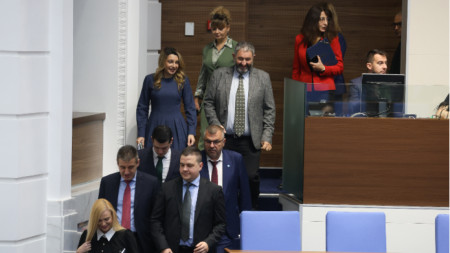
Bulgaria’s National Assembly rejected President Rumen Radev’s veto on the amendments that expand the powers of the special commercial administrator of Lukoil, reported BNR’s correspondent Maria Fileva. The MPs from the ruling majority, supported by..
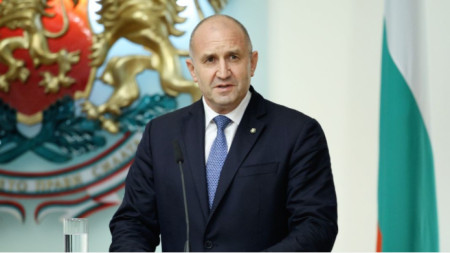
President Rumen Radev has vetoed the legislative amendments related to the appointment of a special commercial administrator in the Lukoil refinery in Burgas. The head of state said that the amendments undermine the legal order in..
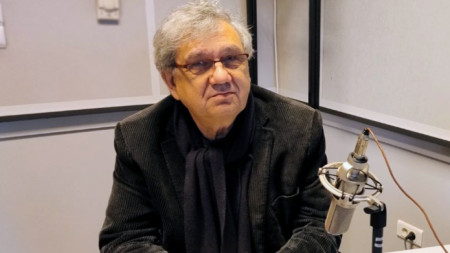
Convulsions Before Multipolarity — a Time When Illusions Are Sacred and Truth Is Heresy is the title of a new book that will be officially presented in early November in Sofia. It explores the agony of a unipolar world, an era of geopolitical..



 Mostly Cloudy
 Cloudy
 Partly Cloudy