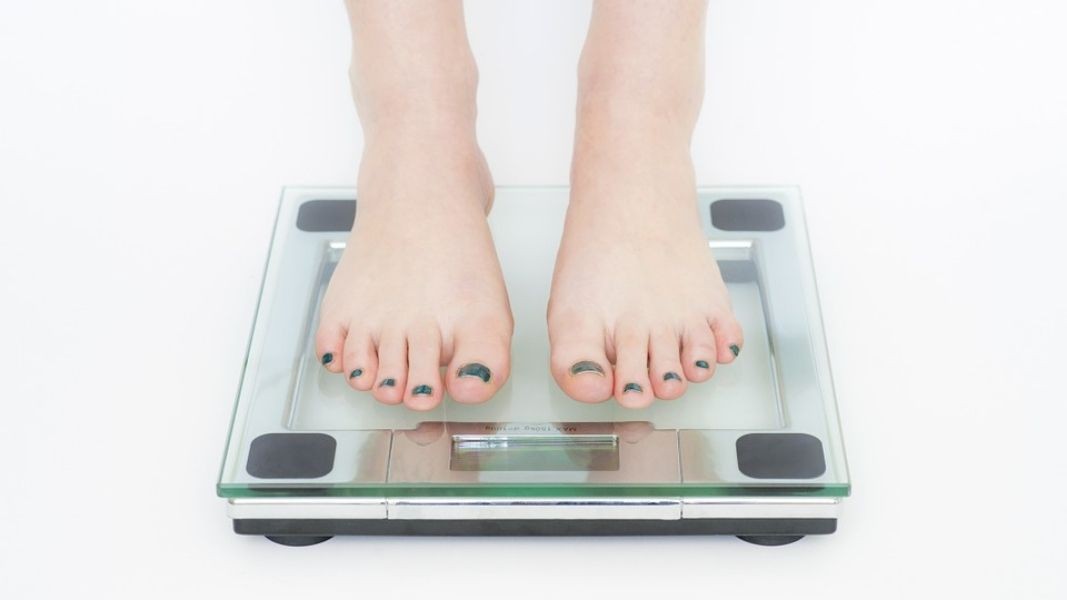
Two in three Bulgarians are overweight. With regard to this tendency, Bulgaria is running ahead of European and world obesity trends, indicate the latest data of the World Health Organization on occasion of the World Obesity Day marked on March 4. More than 61% of Bulgarians are overweight. Obesity is a chronic disease associated with excessive fat accumulation that presents a risk to health. It affects negatively peoples’ health and reduces life expectancy. 13.6% of the Bulgarian children are overweight. Moreover, 17.1% of the boys aged 5 to 9 are overweight and 10.2% of the girls at this age are overweight.
The body mass index is the main indicator used to define overweight and obesity. Bulgarians have put on body weight over the past year, because many people stayed at home for a long time and did not exercise enough. The negative results are visible in people who work and study online. In the beginning of the lockdown, when contacts between people were minimized, we noticed that people were gaining weight. Children and adolescents were also putting on weight amidst a period of depression and anxiety. All these factors contribute to the increase of body weight, said public health nutritionist Professor Donka Baikova:
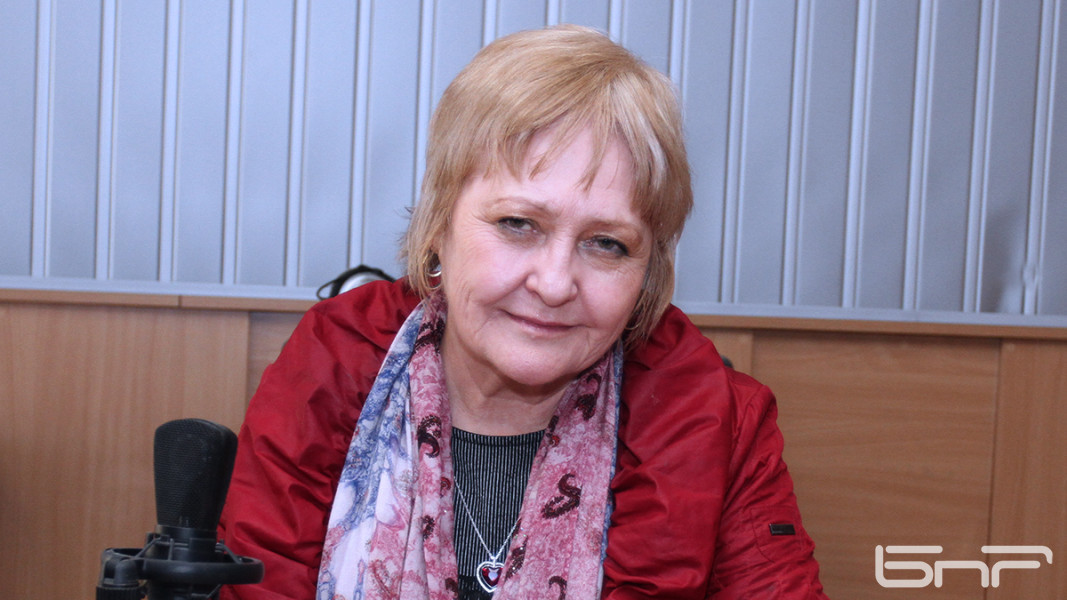 “Some people found a way to shift to a healthier nutrition. Moreover, they increased their physical exercises, although they had to stay and work at home. Fortunately, the human body can quickly get rid of the kilograms gained over a very short period of time, because the fat cells need more time to remember an unhealthy diet. However, some Bulgarians left this problem for the post-Covid-19 period. However, the coronavirus pandemic is not likely to end soon and experts recommend that people do not delay the fight against excess weight and immediately adopt measures to lose weight. Overweight and obese people are at greater risk for severe Covid-19.”
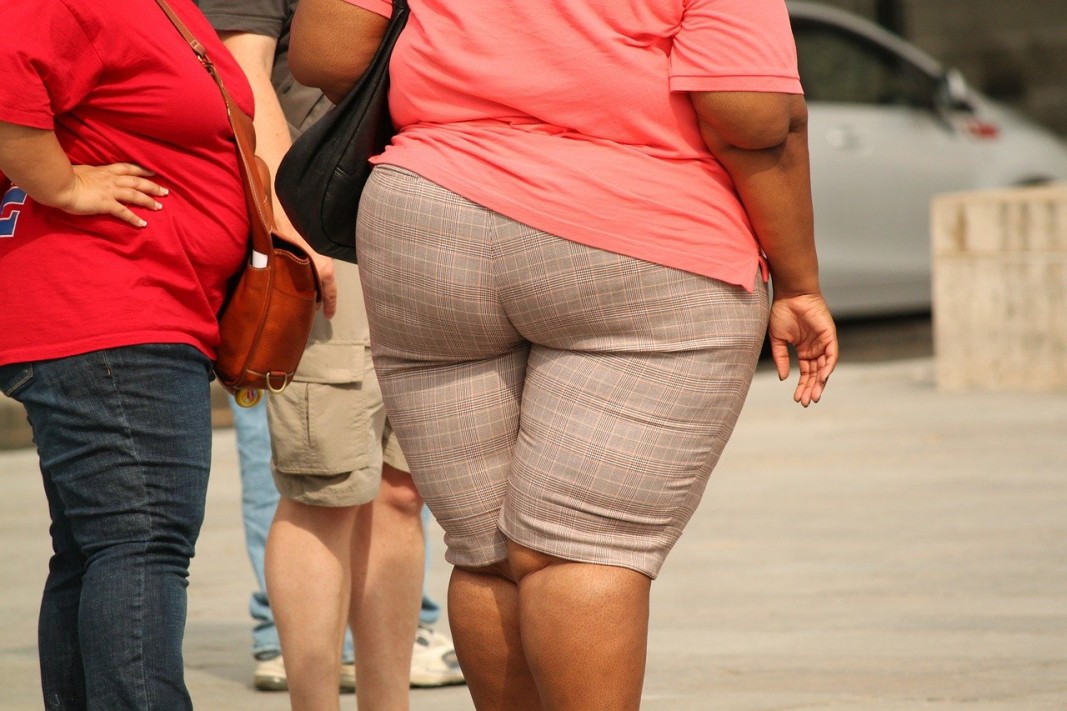 This is so, because fat is stored up around the organs of overweight people. Fat is wrapped around their heart and infiltrated into their liver. Their blood vessels get clogged with fat. The skeletal system cannot endure excess weight. Our optimal weigh is our height in centimeters minus 100, said Professor Baikova and called on the people who do not fall into this category to take immediate measures.
 “They must gradually shift towards a low fat nutrition and increase physical exercise. The healthy weekly menu includes three meat meals, two portions of fish and two meatless dishes, in which we can add daily products or an egg. When we do not consume meat, our menu must always include potatoes, rice, corn, cereals and beans. People should eat high-carb foods such as rye bread, oatflakes and linseed at breakfast. However, they should continue their physical exercise.”
English version: Kostadin Atanasov
Photos: Pixabay, archive, Ani Petrova

The diplomas from the 11th master class in radio journalism of the Bulgarian National Radio – BNR Academy were awarded at a solemn ceremony on November 14. The lectures and practical classes in modern forms of radio journalism build on the professional..

Italy investigates claims of hunting of people in Sarajevo in the 1990s The prosecutor's office in Milan has launched an investigation into shocking reports of organized "sniper safaris" in Bosnia during the war in..
Albania and Bulgaria have joined forces in the name of one more child being born. In the late afternoon of November 7, the first-ever free reproductive medicine checkups, led by Bulgarian specialists, began in the Albanian town of Korçë — a region..








 Mostly Cloudy
 Partly Cloudy
 Cloudy