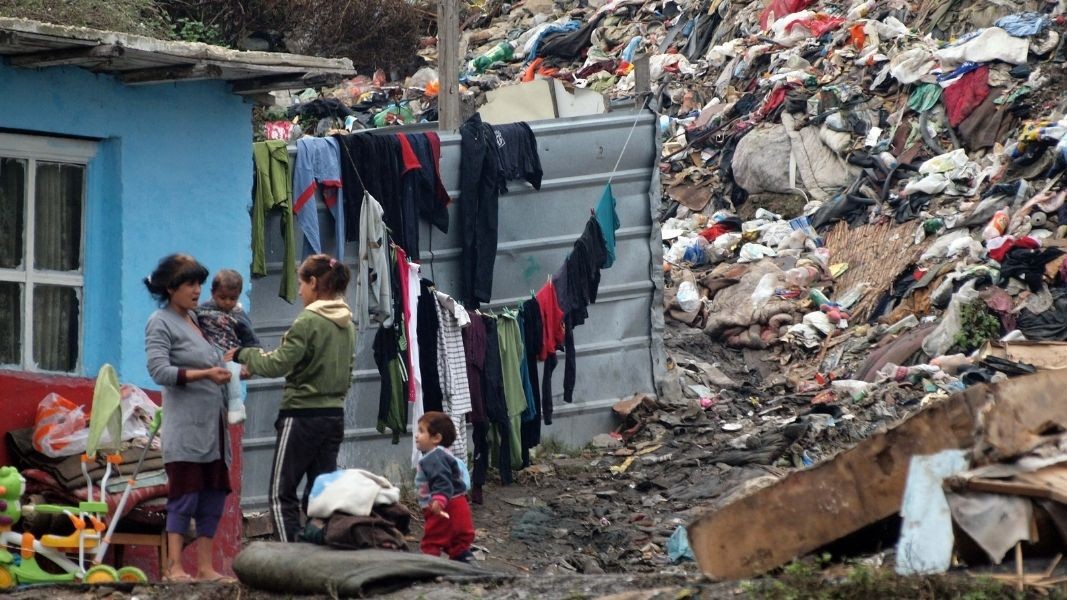
The level of anti-Roma speech online in this country is extremely high, ascertains a monitoring report by Integro Association over the January-September, 2021 period, financed under the EU Rights, Equality and Citizenship Programme. According to the analysis, in 89% of the cases the Roma are presented in a negative light on the Internet. The problems which existed in our society in 2021 – epidemic, regular and snap elections, political crisis – have impacted the levels of anti-Roma speech on the Internet, the authors of the analysis say. The topic of Roma crime is present in half of the social media and online media publications monitored.
“In this regard the subtopics of the publications are “gypsies-thieves”, “gypsies-rapists”, “gypsies-violent offenders,” adds Alexandra Raykova, one of the authors of the monitoring report. The second Roma-related topic in the publications monitored is “the Roma as a social problem”, and the third – “the Roma and elections”.

“The focus here is on “the Roma selling their votes”, “the Roma as a political tool of influence”, “the Roma as dividers of the nation”,” says Diyan Dankov, lawyer and coordinator of the project. “Significantly, in almost 18% of the protocols monitored there exists a disparity between the visual elements and the contents, which calls into question the reliability of the publication, and raises the probability of perpetuating the existing stereotypes regarding the Roma, and of manipulating public opinion.”
There exists a new tendency of publishing neutral or positive content, connected with the Roma that shows them in a positive light. Most of these articles are about the higher levels of acquired education among the Roma and about the work of health mediators.
“When we say hostile and hate speech towards the Roma community, we shouldn’t mean a change in the attitude to those Roma who have become more educated, cultured or socially accepted. We ought to mean the attitude to the entire community,” Integro’s executive director Liliya Makaveeva says for the BNR. This is the association’s third report of this kind in the past 10 years:

“Hostile speech must be attacked in every possible way, i.e. we have no right to think that the people who are poorer or more ignorant are a bigger threat to other people – that is not true. And until there is a change in that perception of hostile speech, there will be no significant change. There definitely is a well-defined layer of society who accept the educated Roma very well and laud them, however, at the same time, the majority of people, unfortunately do not agree with that. Even when they see educated Roma they regard this as an exception.”
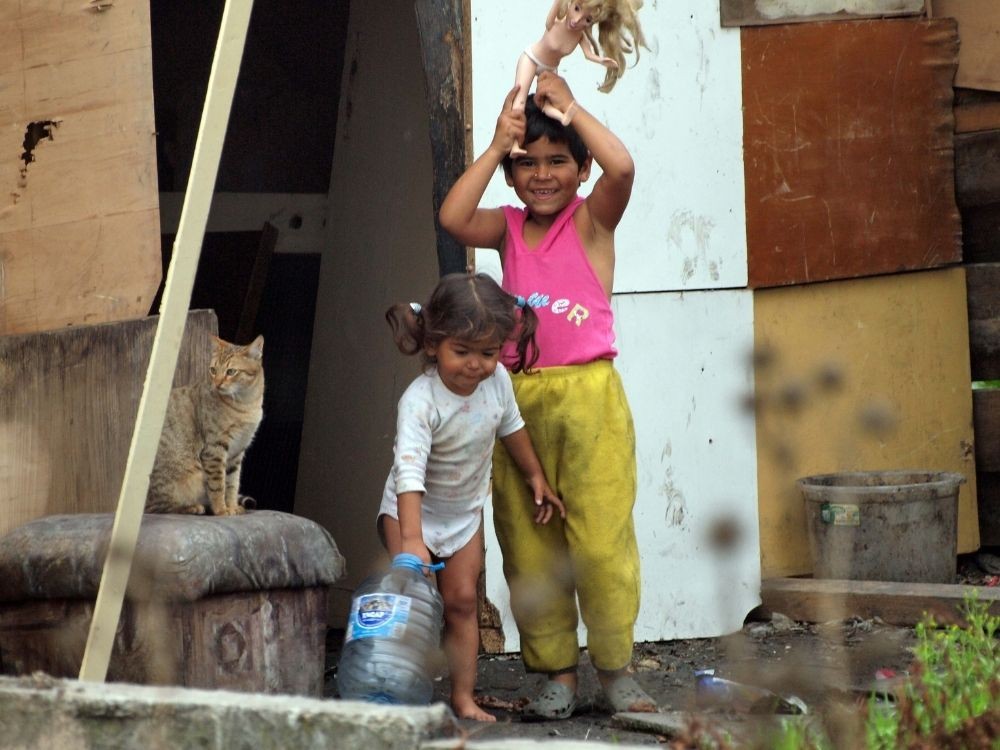
Social media is used for anti-Roma content more often than online media, the platform used by young people most often being Facebook, indicate data from the Integro monitoring report. In their words, the report gives a subjective but comprehensive idea of how the Roma are presented online and in the public domain, and aims at the more effective self-regulation by the media on the subject.
Interviews by Andrey Borisov, Horizont channel, Tsveta Nikolova and Natalia Tsekova, Hristo Botev channel, BNR
Editing by Elena Karkalanova
Photos: BGNES, Integro Association
The Bulgarian minority in Romania marked a significant event with the official opening of the Bulgarian Inn in the village of Izvoarele (Hanul Bilgarilor), Teleorman County (Southern Romania)- a locality with Bulgarian roots dating back over 200 years...

The 14th edition of DiVino.Taste, Bulgaria’s leading forum for wines and winemakers, will take place from 28 to 30 November at the Inter Expo Centre in Sofia. Over 80 producers from all wine regions will participate, offering tastings of around 600 of the..
Minutes before the second and final reading, at the parliamentary budget and finance committee, of the state budget for 2026, the leader of the biggest party represented in parliament GERB Boyko Borissov halted the procedure and sent the draft bill..






 Cloudy
 Mostly Cloudy
 Partly Cloudy
 Fog
Fog