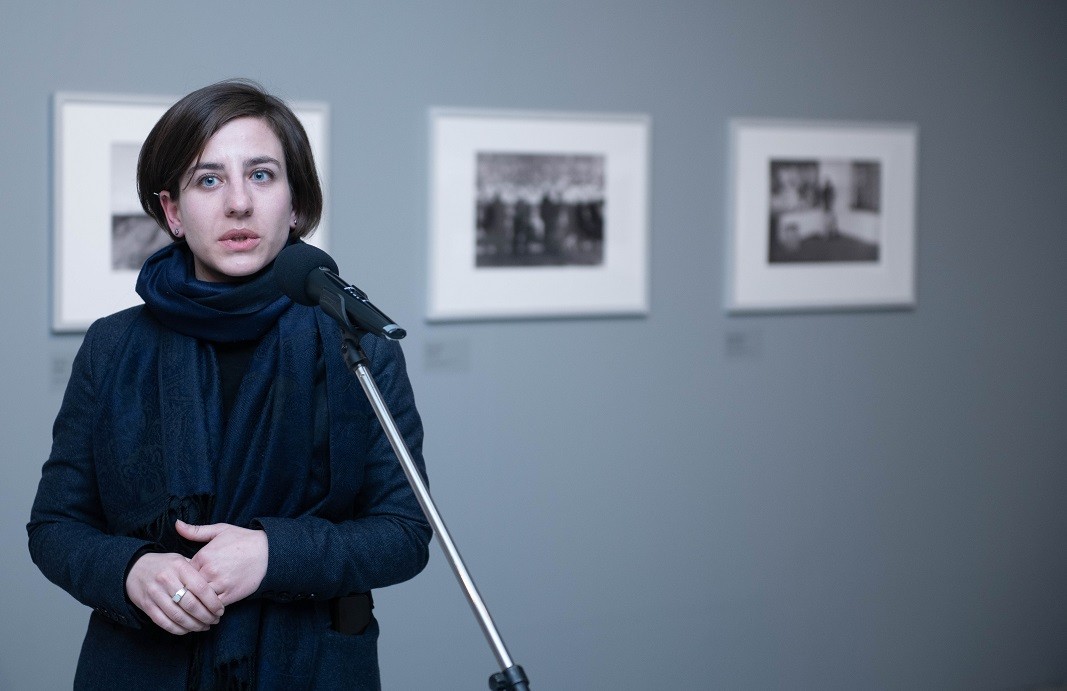
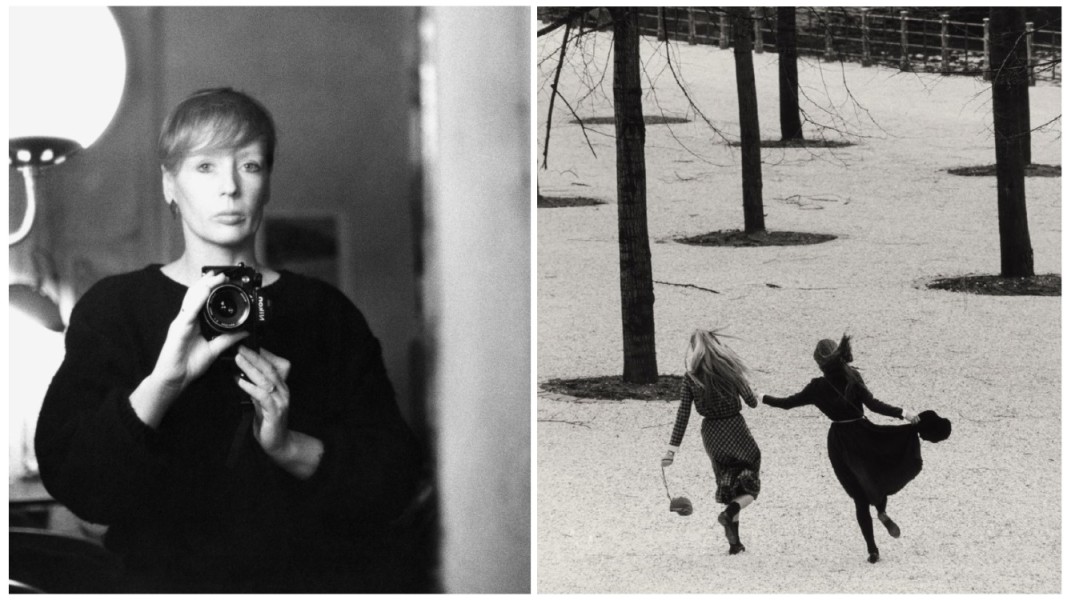
Sibylle Bergemann is one of the most significant German photographers of the late 20th and early 21st century. "She was a strong woman. Throughout her life, she actively sought new ways to engage in her work and never lost her ability to discover new approaches to the tumultuous social and political changes of her lifetime," says Elizabeta Zaykova, Coordinator of the Cultural Program at the Goethe-Institut-Bulgaria.
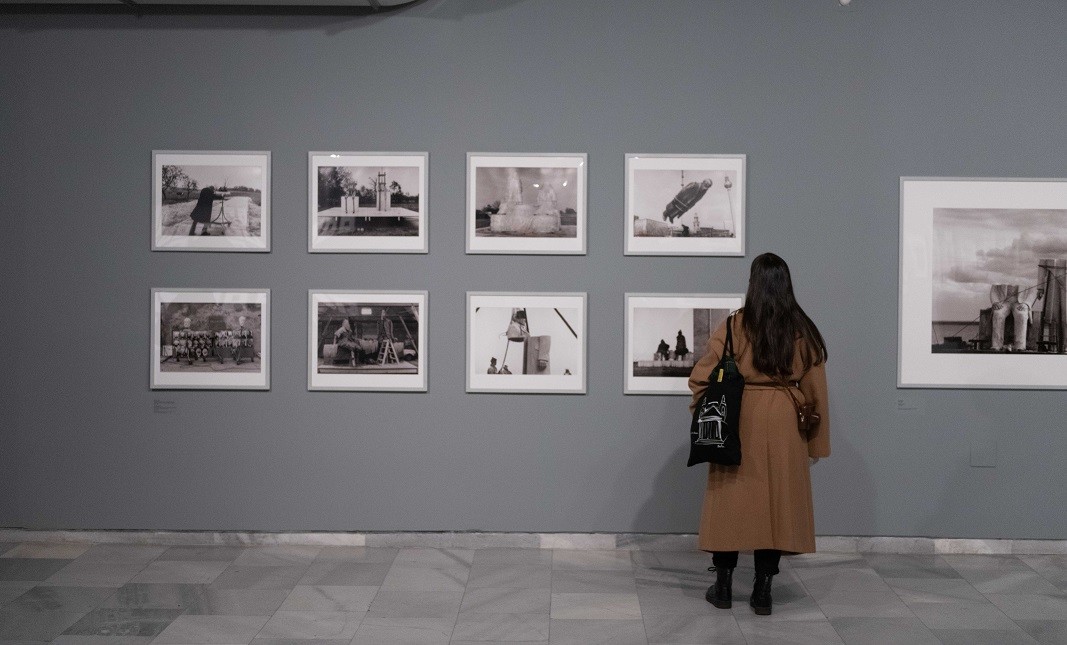
For the first time, Bulgarian viewers will be made familiar with her "objective view of reality" in Berlin before and after the fall of the Wall. Until 10 April, the Sofia City Art Gallery will host the travelling exhibition "Sibile Bergemann. Photographs", organized by the Goethe Institut – Bulgaria and the IFA (Institut für Auslandsbeziehungen) - a German organization which puts on touring exhibitions to showcase different aspects of German culture. The exhibition is particularly interesting not only because it presents the work of a famous European photographer, but also because this photographer comes from East Berlin, says Zaykova.
"Sibylle Bergemann was born in 1941 in Berlin. After having completed a business management training, she started working in the editorial department of the journal Das Magazin. It was there that she came into contact with photography and in 1966 she had chance to become a pupil of Arno Fischer, one of the most prestigious East German photographers," Elizabeta Zaykova says.
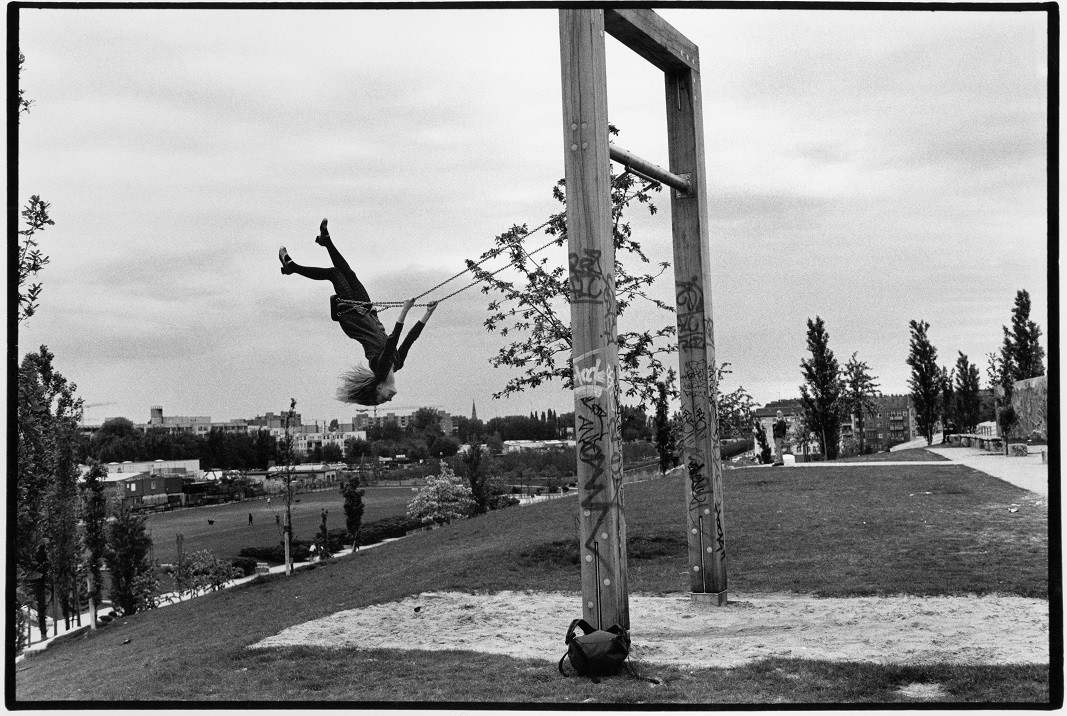
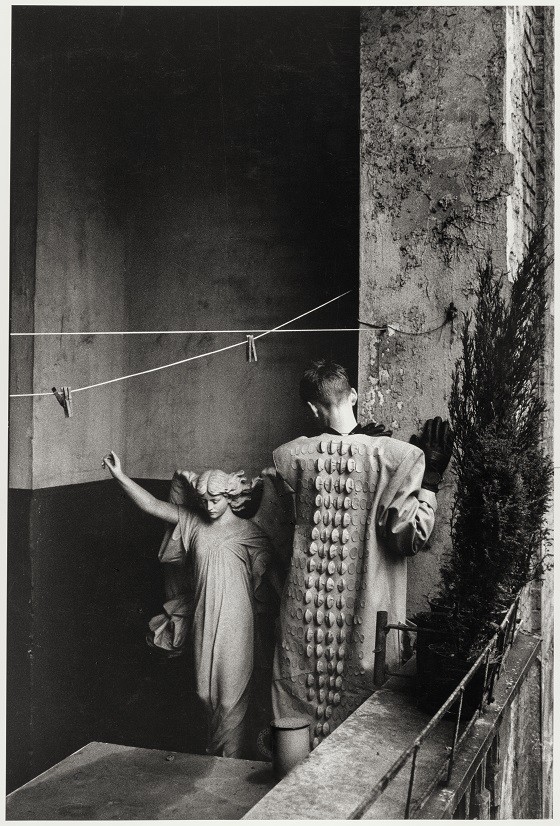
Bergemann began shooting her models in the natural environment of Berlin with all its aesthetic eclecticism. For the first time, the models appeared against the background of Berlin's grey streets, in front of buildings with peeling facades and circus tents, on the beach or standing next to dilapidated industrial buildings. From being purely fashion images, they became photographic essays of reality.
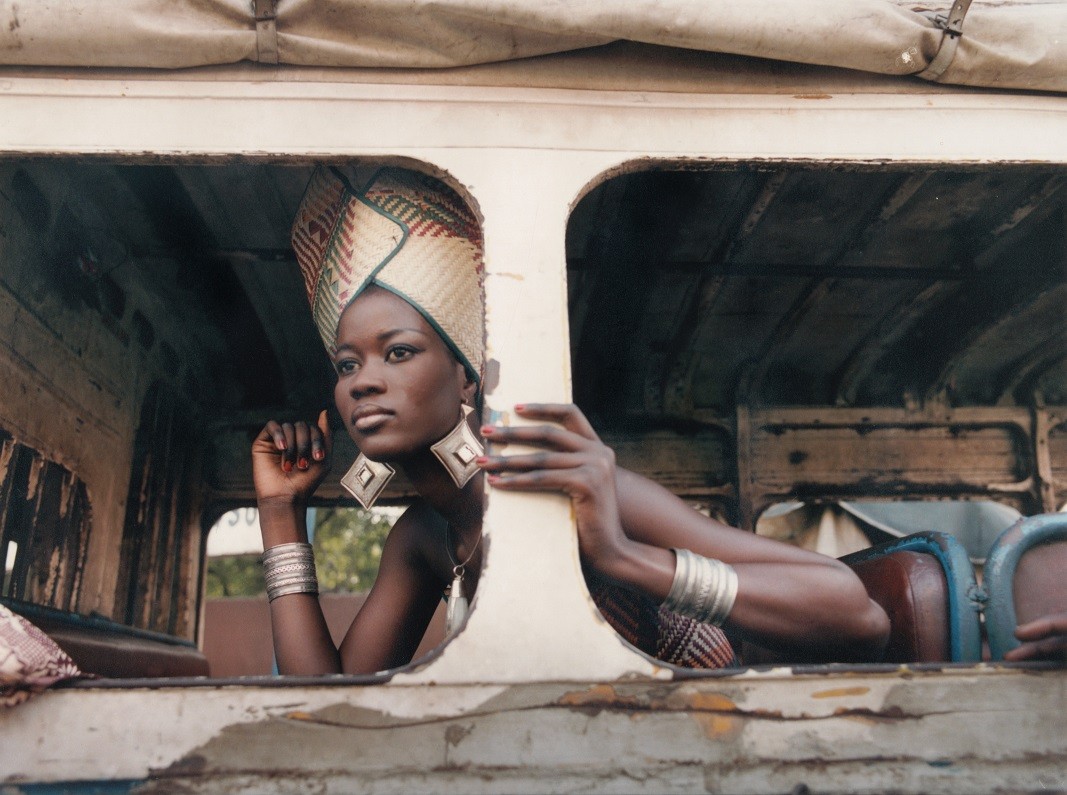
The exhibition at the Sofia City Gallery is a fusion of the artist's series over the years. In addition to the fashion photography, which is black and white, there are also colour polaroids from the period after the fall of the Berlin Wall and the changes in Europe, colour photographs from trips to Africa and the Middle East between 1999 and 2004, which capture in a unique way the everyday life of both traditional and globalised societies. And here comes another important parallel from Bergemann's biography that Zaykova draws with Bulgaria.
In 1990, Sibylle and two other East German photographers - Ute Mahler and Harald Hauswald - founded the Ostkreuz agency. Their idea was to unite their experiences in order to survive as professionals after the fall of communism and the collapse of the various channels of work, and to continue their work under the new conditions of market capitalism. There was no such organisation in Bulgaria, so Bulgarian photographers had to find ways to survive each on their own. And such unions are crucial for the survival of artists because it is the way for them to establish themselves as a brand," she says.
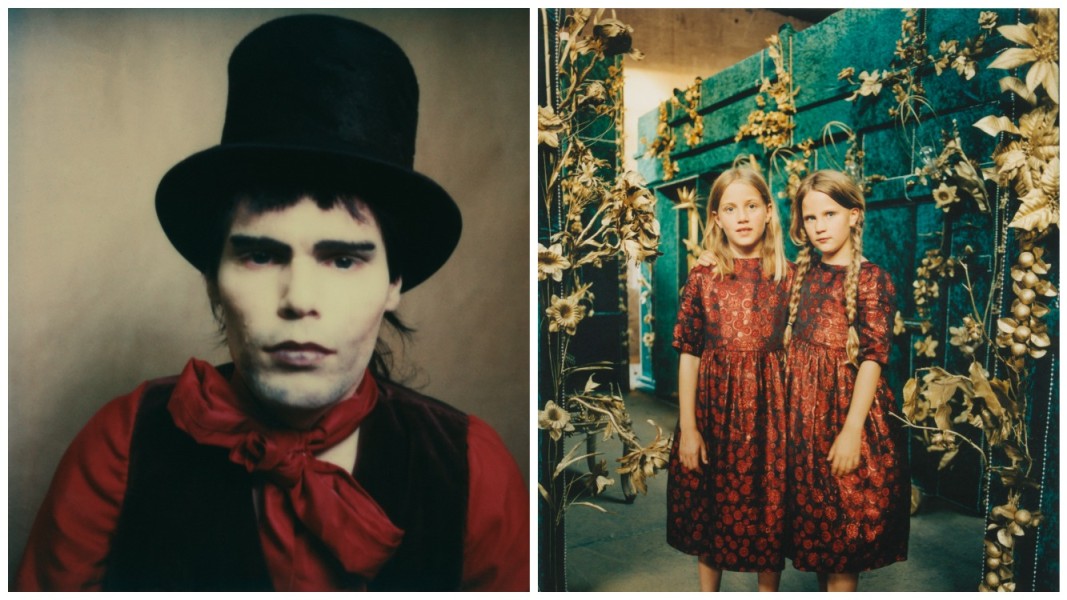
A very important part of the exhibition in Sofia is the accompanying programme entitled "Seeing with Understanding: Sibile Bergemann", organised together with the Art - Deeds and Documents Foundation. The programme includes tours, workshops for children and parents, visits for the elderly and a lecture on women in Bulgarian photography. A documentary film, made shortly before Bergemann's death in 2010, is screened among her photographs in the exhibition hall of the Sofia City Art Gallery, in which she is absolutely frank and honest about her work, so that visitors can get answers to any potential questions the images on the wall raise. Such events keep exhibitions alive, says Elizabeta Zaykova.
Editor: Еlena Karkalanova
Photos: courtesy of Goethe Institut – Bulgaria

On 12 November at 5:30 p.m., Cardinal Pierbattista Pizzaballa, Latin Patriarch of Jerusalem, will give a lecture in the Marin Drinov Hall of the Bulgarian Academy of Sciences, at the invitation of the corresponding member of the Pontifical Committee for..

To mark the 65th anniversary of the Cuban animation studio Instituto Cubano del Arte e Industria Cinematográficos (ICAIC), Bulgarian director Andrey Hadjivasilev conducted a film workshop with students in Havana, the Bulgarian Embassy in Havana..
On this day five years ago (in 2020), a memorial plaque dedicated to the world-renowned Bulgarian bass Nicolai Ghiaurov (1929–2004) was unveiled in Modena. It was in this Italian city that the celebrated opera singer lived and worked from 1981 until his..







 Cloudy
 Mostly Cloudy
 Cloudy