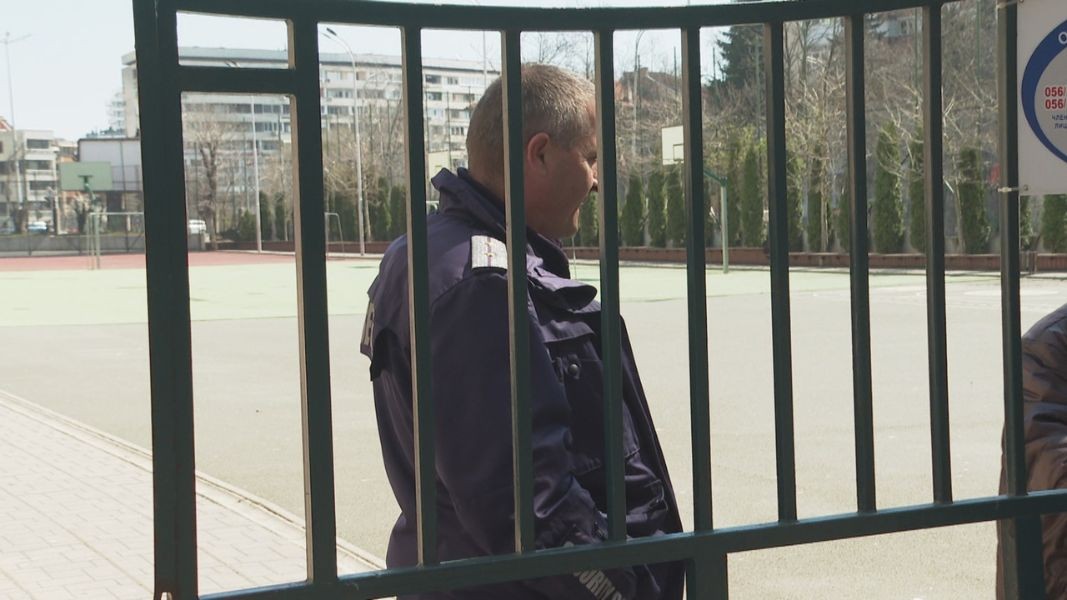
The main version of investigators working on case with the bomb threat e-mails sent to schools in Bulgaria is that they are hybrid attacks linked to Russia, Minister of Interior Ivan Demerdzhiev said. Partner services in Europe and the USA have been alarmed and are working to establish the source. There have been similar threats sent to schools in other European countries.
"The Internet attacks in which dozens of schools in Bulgaria receive bomb threats are most likely linked to a hacker group involved in political extremism." This is what Yavor Kolev, the former head of the Cyber Crimes Department in the General Directorate Combating Organized Crime, has told BNR. "These are hacker groups engaged in political extremism, instilling panic and fear in society. From the analysis of the materials published in media, I can conclude that the attack is foreign and most likely coming from the Russian Federation. An e-mail sent at 09:00 to multiple schools across the country in various cities is intended to disturb public opinions," Kolev said.
A number of schools in Bulgaria have been receiving similar threats for a second day.
Judges have opposed the introduction of a new antivirus agent on their computers. The magistrates fear that it could violate personal data protection rules and compromise the independence of the judiciary. In an official letter, the Bulgarian..
GERB leader Boyko Borisov said in Parliament that Bulgaria will become a member of the eurozone on January 1, regardless of protests organized by representatives of We Continue the Change Democratic Bulgaria (PP-DB). He was commenting on opposition..
Six countries, including Bulgaria, are at risk of non compliance with the EU fiscal framework in 2026. This is highlighted in the 2026 European Semester Autumn Package, adopted by the European Commission. Another 12 countries are urged to continue..




 Cloudy
 Mostly Cloudy
 Cloudy