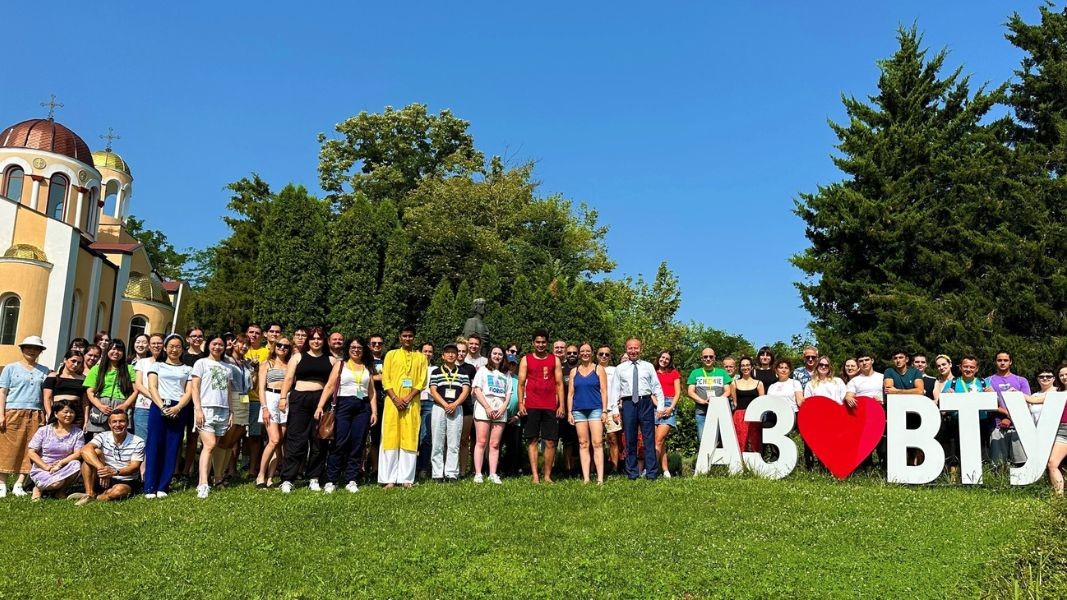
More than 70 participants from 25 countries gathered this summer at the seminar on Bulgarian language and culture, organized by the University of Veliko Tarnovo "Sts. Cyril and Methodius". The 46th edition of the seminar was attended by students, teachers, university professors, translators and tour guides from three continents, provoked by their thirst for new knowledge and their interest in Bulgarian language and culture.
Rafał Murawinski from Poland is a student of Bulgarian studies and works as a secretary in an elementary school. He says that he chose Bulgarian studies as his major, inspired by a photo from Bulgaria: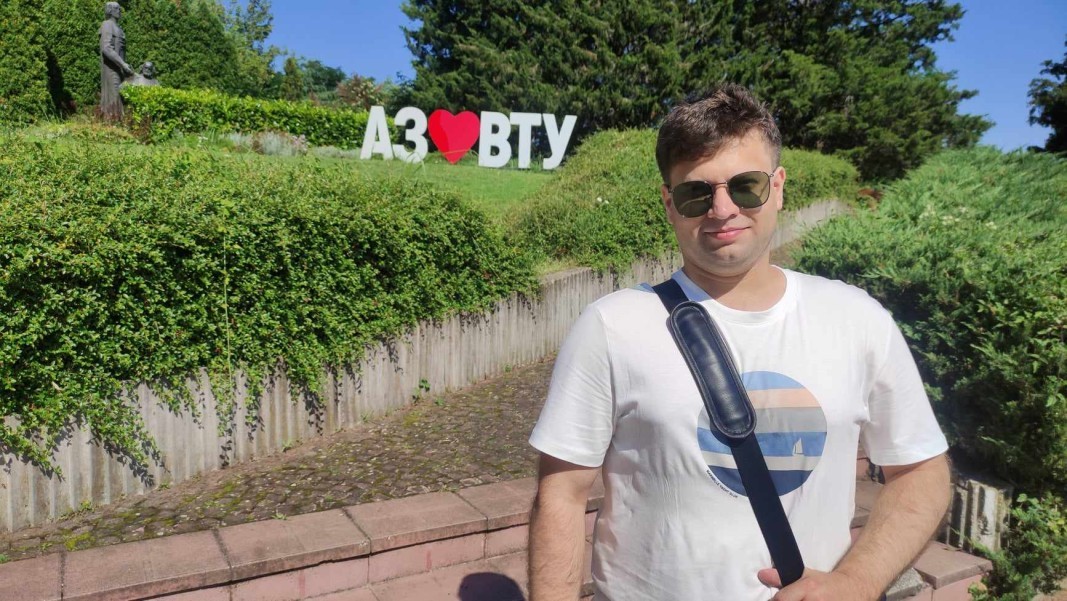
"I looked at a picture of the countryside and thought why not major in Bulgarian studies, culture, language. I like the Bulgarian cuisine - the banitsa, the grilled rissoles, the Shopska salad. I know a little about Bulgarian cinema and literature, but I am more interested in sports, in Bulgarian football. I'm going to write a thesis on Hristo Stoichkov and Dimitar Berbatov, I'm interested in the "American Summer" the World Cup in 1994. I know less about the current football players."
The main goal of the seminar is to promote Bulgarian studies abroad. The schedule through the end of July includes practical training in Bulgarian language and six specialized seminars in fine arts, contemporary Bulgarian cinema, Bulgarian folklore, history and culture of Bulgaria.
Michael Hein, professor of politics and culture at the State College of Altenburg (Germany), who also teaches Bulgarian studies, has keen interest in this country: "I want my students to know that Bulgaria is a very nice country, but it has a lot of political problems, a lot of different problems linked to corruption and law, but there are a lot of interesting civil society initiatives."
For Krystian Pudolszewski from Poland, Bulgarian is his mother tongue, but he still has difficulty reading and understanding written texts - which is why he is in Veliko Tarnovo today:
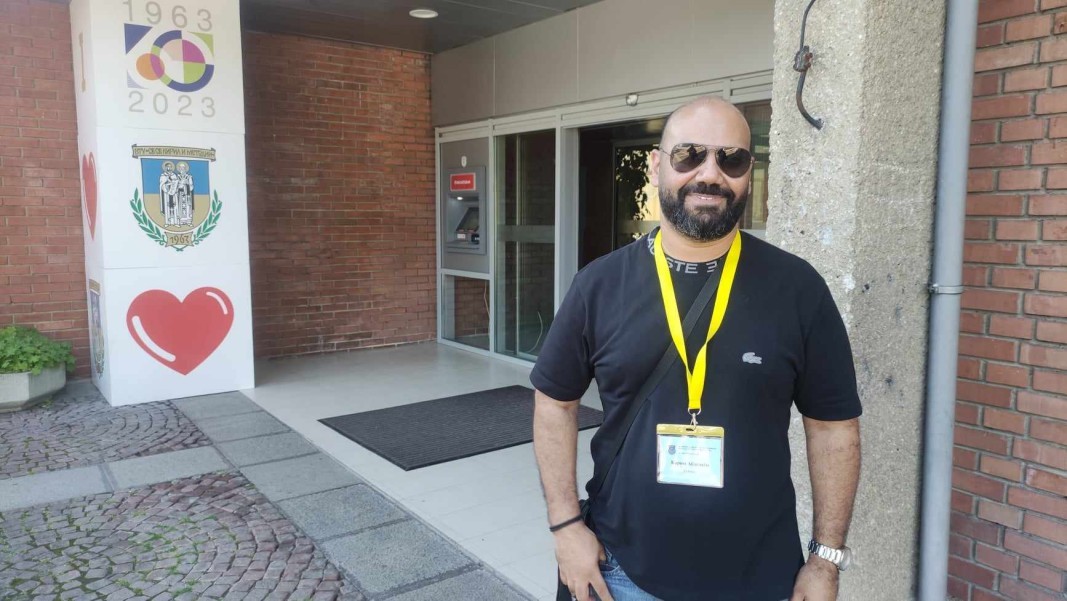
"My mother is Bulgarian and it is a shame that I do not know the language as well as English and Polish. I can only use it in casual conversations, but I can't write and formulate my thoughts. I know very little about Bulgarian culture and literature. I have not read much of Bulgarian literature, I have only found a few books, not classics but new Bulgarian authors, unknown to me - unfortunately I am very slow at reading. I wish I could focus more on the content of the books instead of struggling with the language."
Eighteen of the participants had attended the Bulgarian Studies Seminar at the University of Veliko Tarnovo in previous years. Among the veterans is Egyptian Kareem Abdelati, professor of medieval history at Mansoura University, who is attending the seminar for the eighth time:
"Everything is interesting here. Your history is very old and very rich - medieval history, modern history... I know that Veliko Tarnovo was the old capital of Bulgaria. I like Tarnovo as a city, the people, the food, the weather, the university. For sure I will come back again because Tarnovo is my place."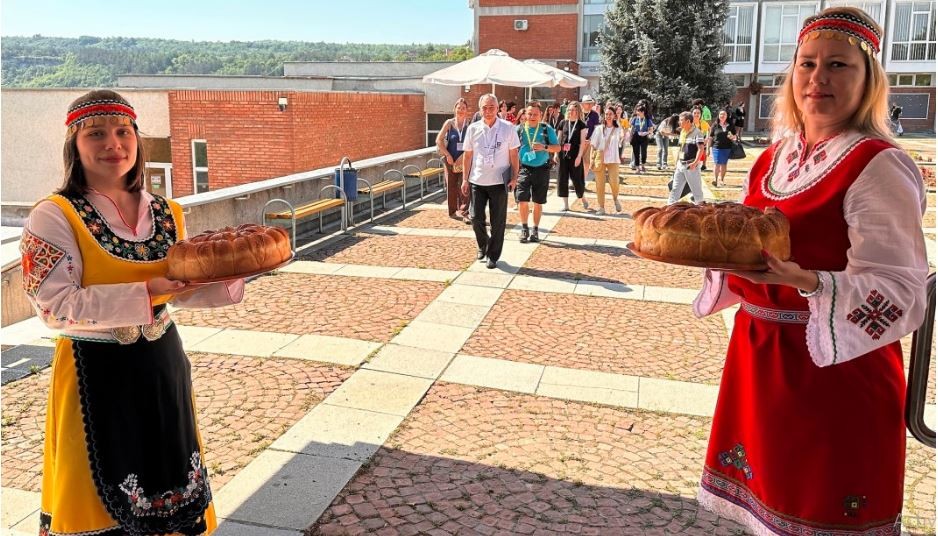
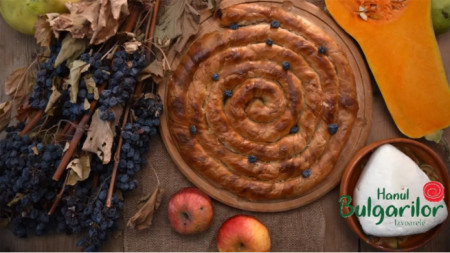
The Bulgarian minority in Romania marked a significant event with the official opening of the Bulgarian Inn in the village of Izvoarele (Hanul Bilgarilor), Teleorman County (Southern Romania)- a locality with Bulgarian roots dating back over 200 years...

The 14th edition of DiVino.Taste, Bulgaria’s leading forum for wines and winemakers, will take place from 28 to 30 November at the Inter Expo Centre in Sofia. Over 80 producers from all wine regions will participate, offering tastings of around 600 of the..
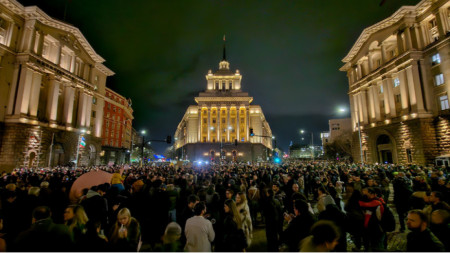
Minutes before the second and final reading, at the parliamentary budget and finance committee, of the state budget for 2026, the leader of the biggest party represented in parliament GERB Boyko Borissov halted the procedure and sent the draft bill..




 Cloudy
 Cloudy
 Mostly Cloudy