The gifts of nature predetermine food traditions, established by our great-grandfathers here in the Bulgarian lands. Centuries later, the characteristics of the products and the way they are prepared formed a unique system, which today we call the Balkan diet - a collection not just of the culinary habits of the Bulgarians, but also those of our neighbors from Turkey, Greece, Romania and Serbia.
According to a study by Bulgarian scientists, the diet of the Bulgarians at the end of the 19th and the beginning of the 20th century was very close to the healthy Mediterranean diet with a little difference - lower consumption of fish and olive oil.
"What is characteristic of the Balkan diet is the important place of yogurt and probiotics, as well as the antioxidant properties of foods,” nutrition specialist Svetoslav Khandzhiev says. "Bee products are very important, as well as the variety of vegetables and fruit."

When Nobel Prize laureate Ilya Mechnikov came to Bulgaria at the end of the 19th century he was surprised by the fact that the largest number of centenarians can be found living in the Bulgarian mountains. The scientist linked the phenomenon to the Bulgarian yogurt. In general, it is believed that if the food traditions of a given area are not respected, this could often lead to illness.
A typical Bulgarian product is the lyutenitsa made of red peppers and tomatoes, which Svetoslav Khandzhiev defines as an "antioxidant bomb".
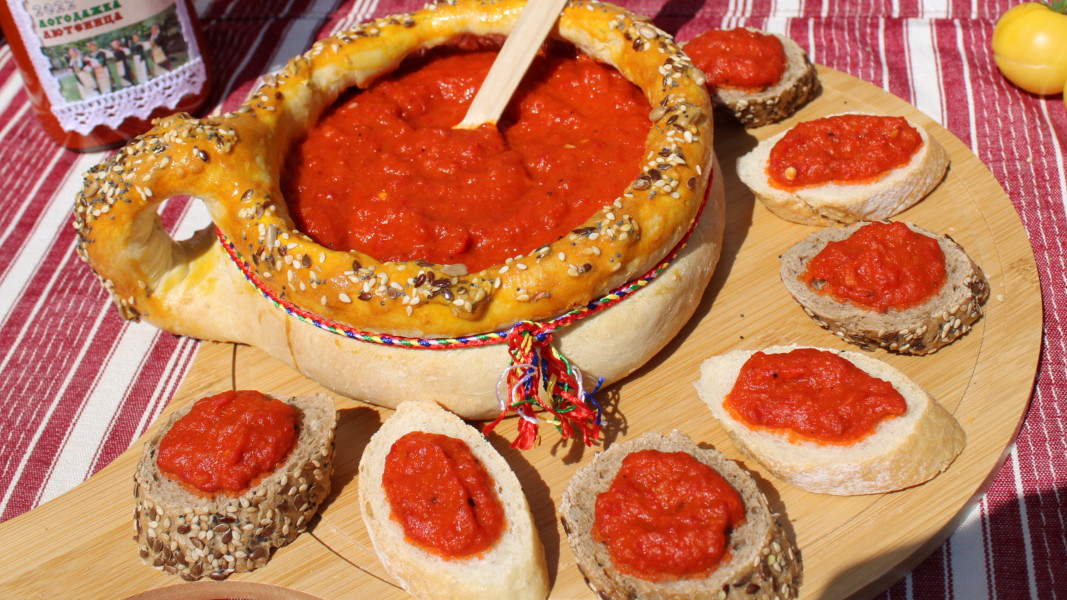
The participation of onions in almost all dishes also provides valuable nutrients. What other products should we consume more often?
"On the table we should have cheese, milk, yogurt,” the specialist adds. “An international study shows that Bulgaria ranks last in the European Union in terms of fresh milk consumption and this is bad because dairy products are very rich in useful proteins. Meat should also be present, although not every day, as well as fish, which we rarely include in our menu. Another typical part of the Balkan diet is sunflower oil – it is also very healthy and should be preferred over olive oil.”
Despite the fact that high-quality plant and animal raw materials for a variety of food products are produced in the country, the pursuit of easy money and the lack of enough quality control, unfortunately, lead to the paradox that in stores we could buy cheese without milk or salami without meat. However, the replacement of traditional foods with imitations will sooner or later affect our health negatively, Svetoslav Khandzhiev firmly says.

"Out of the three so-called white poisons (salt, sugar and animal fats), the worst is the consumption of salt,” he points out. “The Bulgarians use two and a half times more than the physiological norms. People often sit at the table and start salting without first tasting the dish. That is why we recommend moderation, not only with salt. In general in nutrition practices it is good to have the so called unloading days. These are days when we consume plant products only."

The nutritionist also says that the summer diet should be rich in proteins, but also in vegetables and fruit. And he gives an example - at the moment there are strawberries and cherries, after them peaches and apricots ripe and finally grapes. Together with tomatoes, cucumbers and other seasonal vegetables, it is recommended that they be part of our menu every day. And their minimum number should be five.
In addition, we should not skip breakfast and we should have dinner two or three hours before sleep, drink at least 1.5 liters of water and walk for at least an hour a day, nutrition specialist Svetoslav Khandzhiev says and adds:
"Health, peace of mind and food that gives pleasure - this is very important!"
See also:
Text: Diana Tsankova (based on an interview by Maria Mira Hristova from the "Hristo Botev" program of the BNR)

Bulgaria celebrates National Reading Day on the third Friday of November. The Reading Foundation is leading the initiative under the motto: “Read. For Real”. According to the OECD's PISA 2022 study, 53% of 15-year-old students in Bulgaria have..

On November 21–22, 2025, the 11th edition of the Career Fair will take place at the John Atanasov Hall in Sofia Tech Park. The forum aims to support early career orientation for young people in Bulgaria and is organized by the Bulgarian Global..

From fear and doubts to joy and support – Bulgarians react differently to the upcoming introduction of the euro on January 1, 2026. For some, it is a logical step towards Bulgaria’s integration into the EU with promises of stability..





 Cloudy
 Mostly Cloudy
 Cloudy