In the medium term, employers expect high economic growth and will need 243,000 professionals with higher education and 245,000 with secondary education. 194,000 people will be needed in the spheres trade, tourism and transport. The industry sphere will need 68,000 workers, while construction will need 46,000. Government, education and health would need 73,000 new employees. A significant shortage of medical professionals is expected.
According to the analysis of the Institute for Market Economy, at this stage the shortage of personnel has no visible solution. Demographics point to a rapid decline of the working age population. Integration policies for the inactive and for groups with limited access to the labor market are lagging behind and the country is far from being among the most attractive ones for foreign workers.
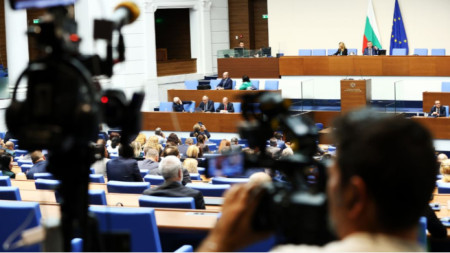
The draft state budget was adopted in first reading by the National Assembly on November 21. However, the planned changes in the financial framework for 2026 triggered an open clash between the ruling coalition, led by GERB party, and the opposition..
KBC Group expects the Bulgarian economy to grow slightly more next year in comparison to its previous forecasts, according to the conclusions of the Belgian financial group's latest assessments of the economies of Central and Eastern..
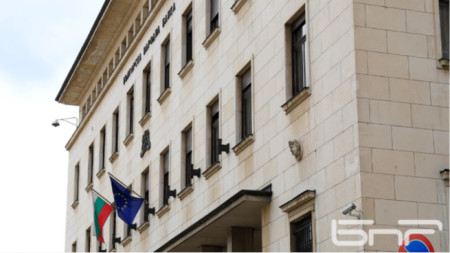
Foreign direct investment (FDI) in Bulgaria posted the largest net inflows from the Netherlands, Italy and Greece in the first half of 2025, the Bulgarian National Bank (BNB) said. Net FDI inflows totalled €554.9 million from the Netherlands, €325.2..






 Cloudy
 Mostly Cloudy
 Partly Cloudy
 Fog
Fog