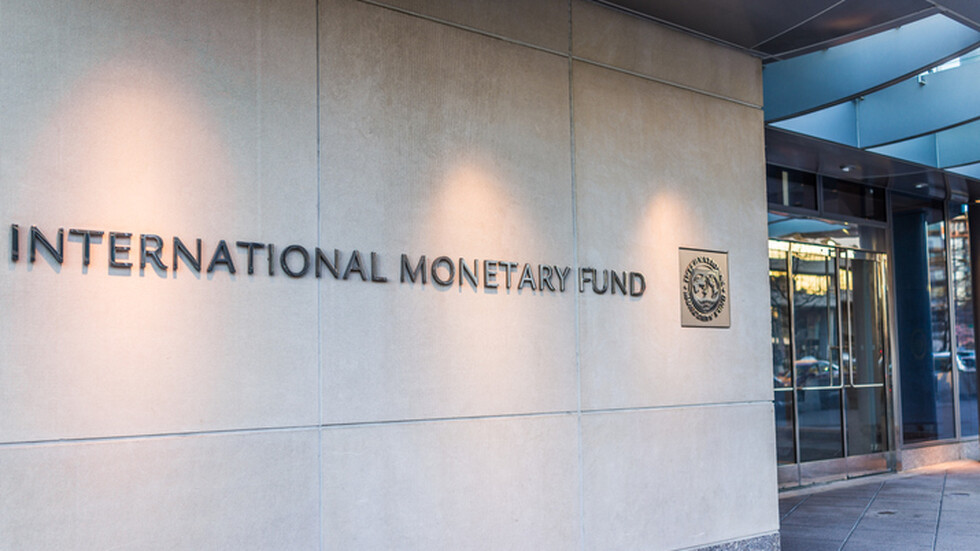
Bulgaria's economy will grow by 2.3 per cent this year. This is according to the latest World Economic Outlook prepared by the International Monetary Fund and presented today in Washington. This is down from the Fund's April estimate, which predicted that Bulgaria's GDP would grow by 2.7 per cent in 2024.
In 2025, the economy is expected to grow by 2.5 per cent. Inflation will continue to slow, the IMF said. This year it will be 2.8 per cent in 2024, down from 8.6 per cent last year. This estimate is down from the 3.4% expected in April.
Bulgaria’s accession to the eurozone will reduce transaction costs with key trade and investment partners, according to the annual U.S. State Department report on the investment climate in the country, reported BGNES. The report emphasizes that..
Less than 100 days remain until Bulgaria joins the eurozone, and this is another reason to talk about the incomes of people in Bulgaria, about the Bulgarian economy, about foreign investments and about the domestic labour market which reacts the..

At the end of September, with a little over three months to go until the Rubicon in Bulgarian public finance - 1 January, 2026, when the country will officially leave the currency board and adopt the single European currency, the euro – issues..








 Cloudy
 Cloudy
 Mostly Cloudy