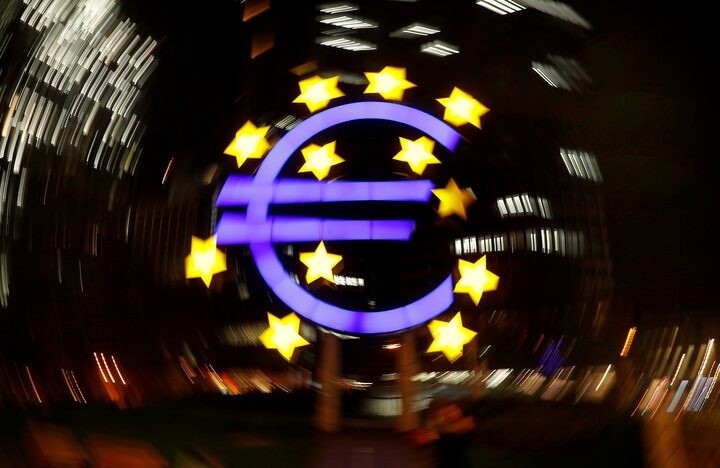
At the end of 2024, Bulgaria's macroeconomic indicators fully met the Maastricht criteria for Eurozone membership, BGNES informs.
According to Eurostat data, inflation from June to November was below 3%, which is a requirement for adopting the single currency. The other important indicator for entering the Eurozone is the budget deficit, which will also be within 3%. In addition, Bulgaria has the lowest unemployment in recent years of about 4% and the debt to Gross Domestic Product ratio is nearly two times lower than the set criterion of 60%.
The European Commission's forecasts for Bulgaria’s economic development are positive - this year inflation is to decrease to 2.3% and the fiscal deficit is to reach 2.8%. Based on these data, economists believe that Bulgaria can become a member of the Eurozone in the middle of this year or in early 2026.

On Friday, the lowest temperatures will be between 4°C and 9°C, reaching up to 12°C in the southeast, around 6°C in Sofia . During the next 24 hours, the weather will remain cloudy. It will rain in almost the entire country. During the day, rainfall..

The Varna District Court has released the city’s mayor, Blagomir Kotsev, on a financial bond of €102,258. Before the court’s decision was announced, supporters of the mayor and members of the We Continue the Change party gathered outside the..
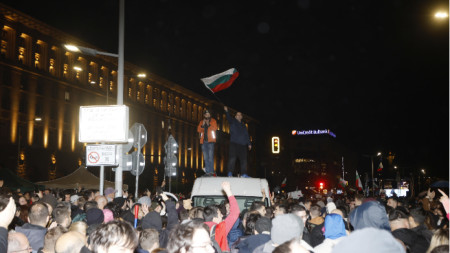
Three people, including an Italian citizen, were arrested during last night's protest against the adoption of the 2026 budget in front of the National Assembly, the director of the Sofia Directorate of Internal Affairs, Chief Commissioner Lyubomir..







 Partly Cloudy
 Cloudy
 Mostly Cloudy