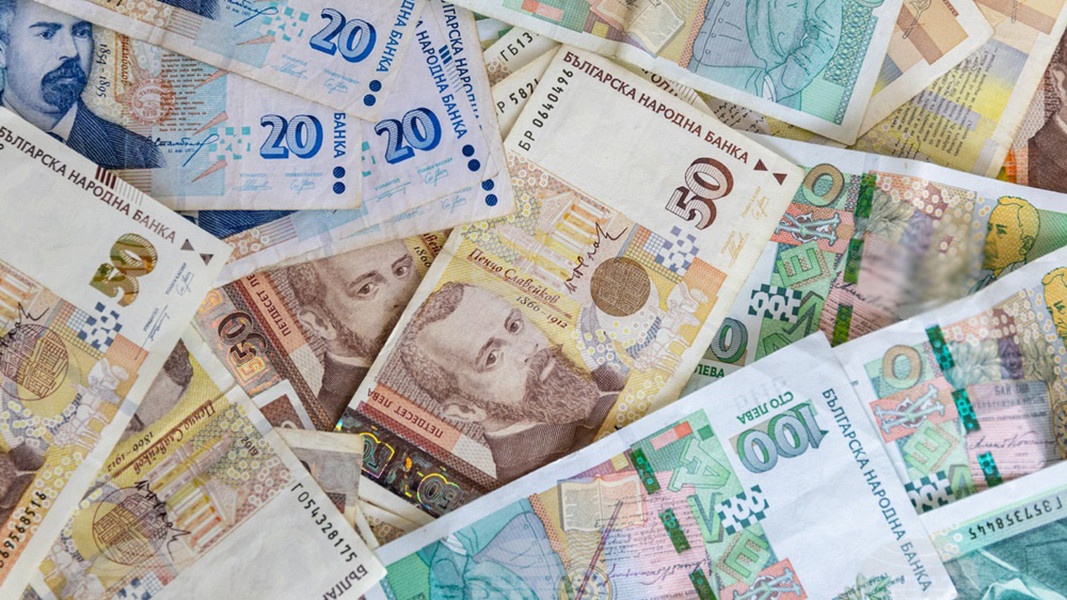
For the sixth year in a row, the Institute for Market Economics (IME) publishes data and analysis of the economic development of Bulgaria by municipality in the form of interactive maps as part of the initiative "265 stories about economy".
The data are for the year 2023 - the latest available for municipalities. It was provided by the National Statistical Institute and processed by the IME.
The statistics reveal an interesting trend, as for yet another year, the top positions in terms of average gross monthly wages are mostly occupied by small municipalities, where large companies operate, accounting for a significant share of labor income in the region. These include municipalities in the Sredna Gora region with highly developed mining and related manufacturing industries, such as Chelopech (first place with EUR 1,918), Pirdop (fifth place with EUR 1,431) and Panagyurishte (eighth place with EUR 1,246), as well as municipalities with a strong energy sector, such as Kozloduy (EUR 1,749), Radnevo (fourth place with EUR 1,433) and Galabovo (sixth place with EUR 1,293).
Traditionally industrial municipalities such as Devnya (seventh place with 1,280 EUR) and Bozhurishte (ninth place with 1,139 EUR) also find a place in the top 10. The exception is the capital city of Sofia, which ranks third in 2023 with an average gross monthly salary of EUR 1,460. The capital is home to 34% of the country's total workforce.
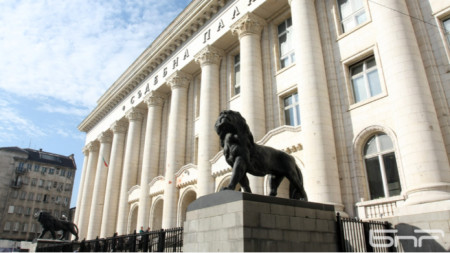
Judges have opposed the introduction of a new antivirus agent on their computers. The magistrates fear that it could violate personal data protection rules and compromise the independence of the judiciary. In an official letter, the Bulgarian..
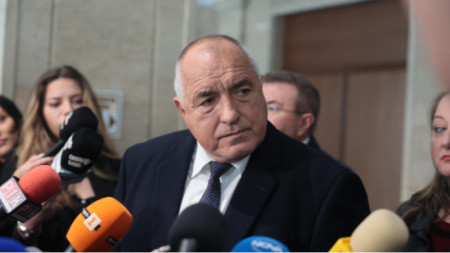
GERB leader Boyko Borisov said in Parliament that Bulgaria will become a member of the eurozone on January 1, regardless of protests organized by representatives of We Continue the Change Democratic Bulgaria (PP-DB). He was commenting on opposition..
Six countries, including Bulgaria, are at risk of non compliance with the EU fiscal framework in 2026. This is highlighted in the 2026 European Semester Autumn Package, adopted by the European Commission. Another 12 countries are urged to continue..






 Partly Cloudy
 Mostly Cloudy
 Fog
Fog