 7
7
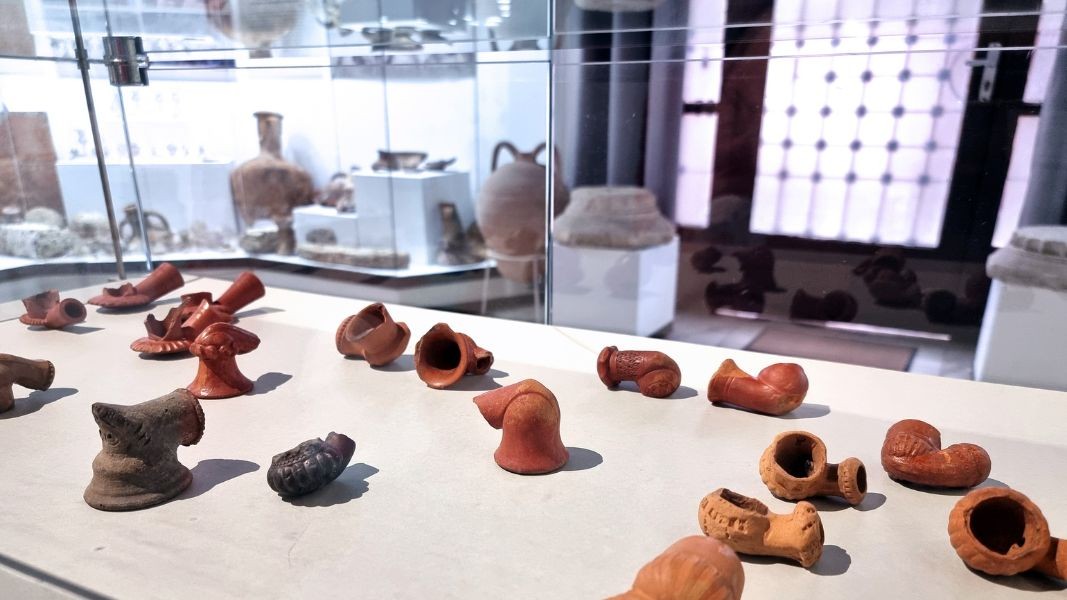
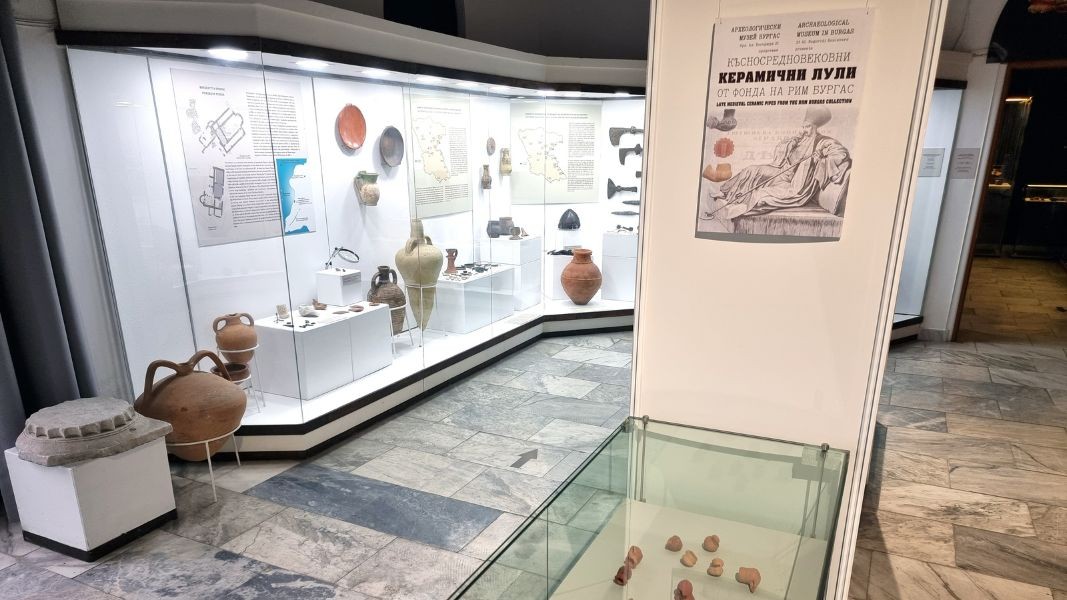
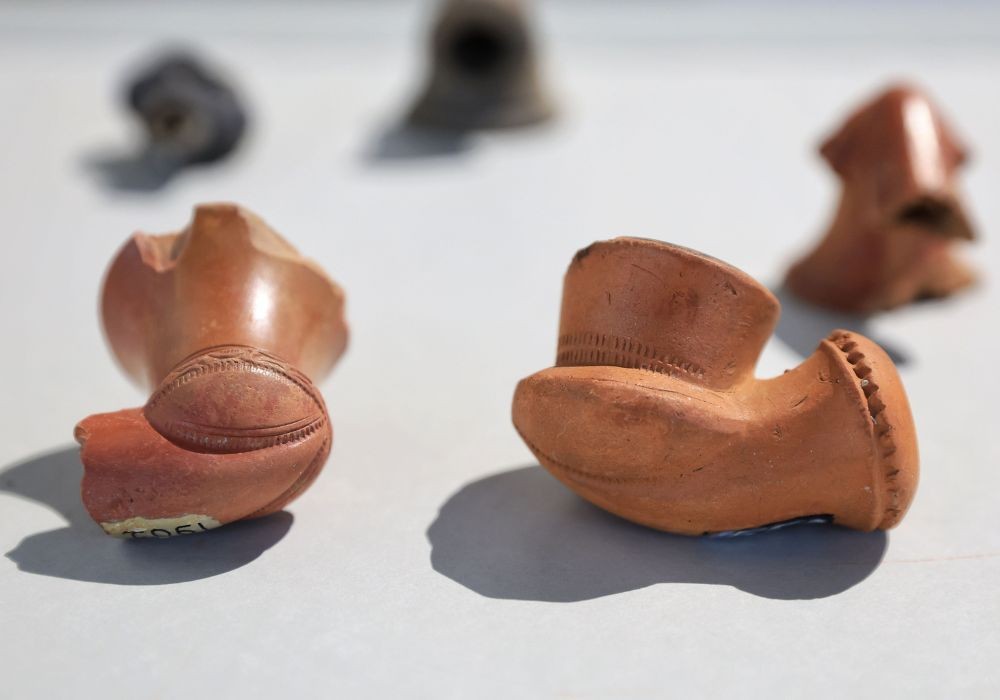
Pipes from the end of the 17th, the 18th and the 19th century and the tradition of growing tobacco in Bulgaria are presented in the newest exposition at the Museum of Archaeology in Burgas.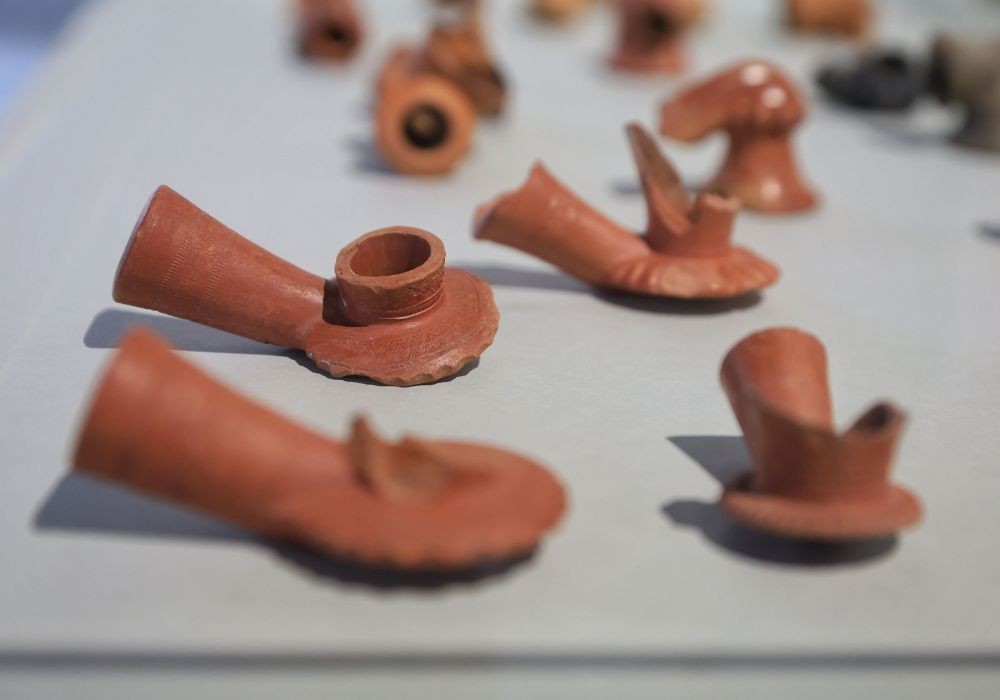
“Pipes like this are to be found often on the territory of what is Bulgaria today and in all places where the historical layers from the Middle Ages and the period of the National Revival are being excavated,” says museum guide Gergana Danabasheva in an interview with the Bulgarian news agency BTA.
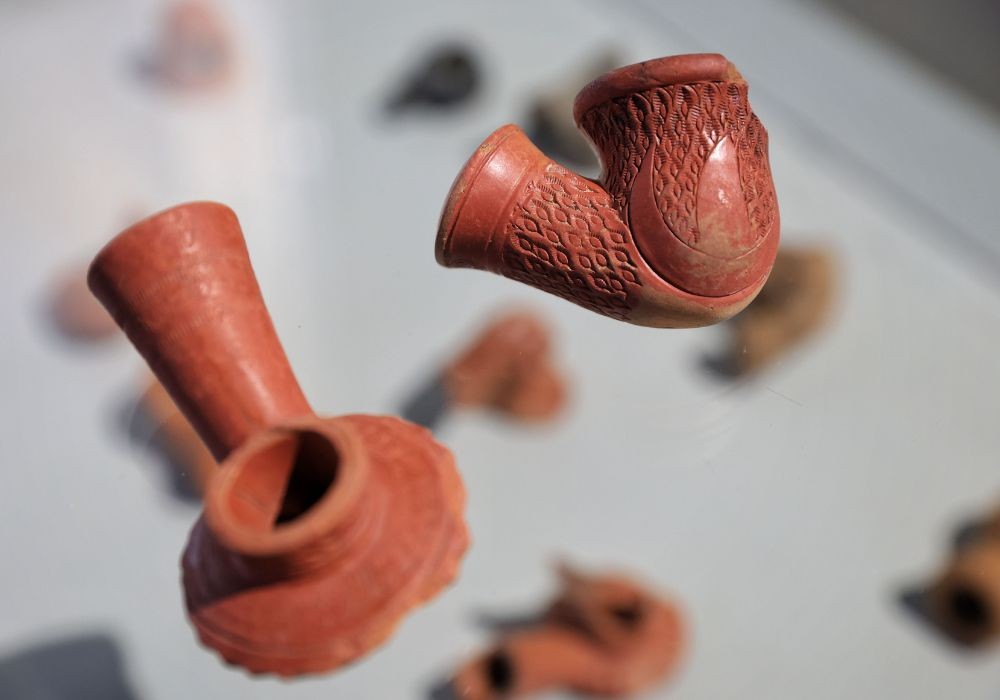
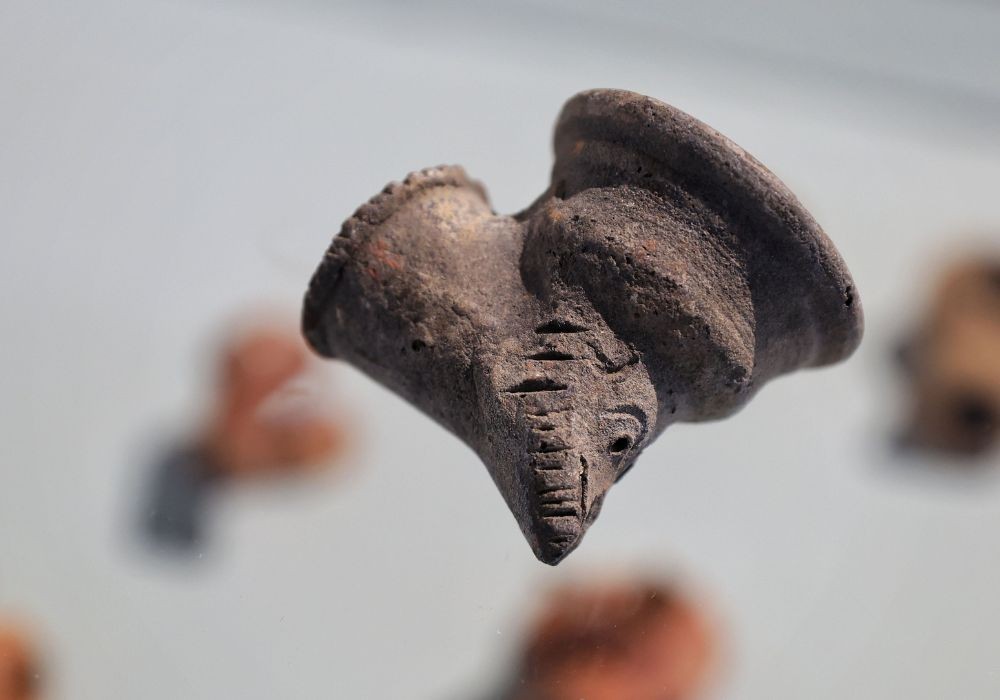
The exposition “Late Medieval ceramic pipes from the collection of the Regional Museum of History-Burgas” displays 40 ceramic pipes from the Late Middle Ages and several pipes from the time of the National Revival, found in the Southern portion of the Black Sea coast. The ones with the most exquisite ornaments were discovered during excavations at the ancient city of Aquae Calidae but there are pipes from the region around the towns of Sozopol and Nessebar as well.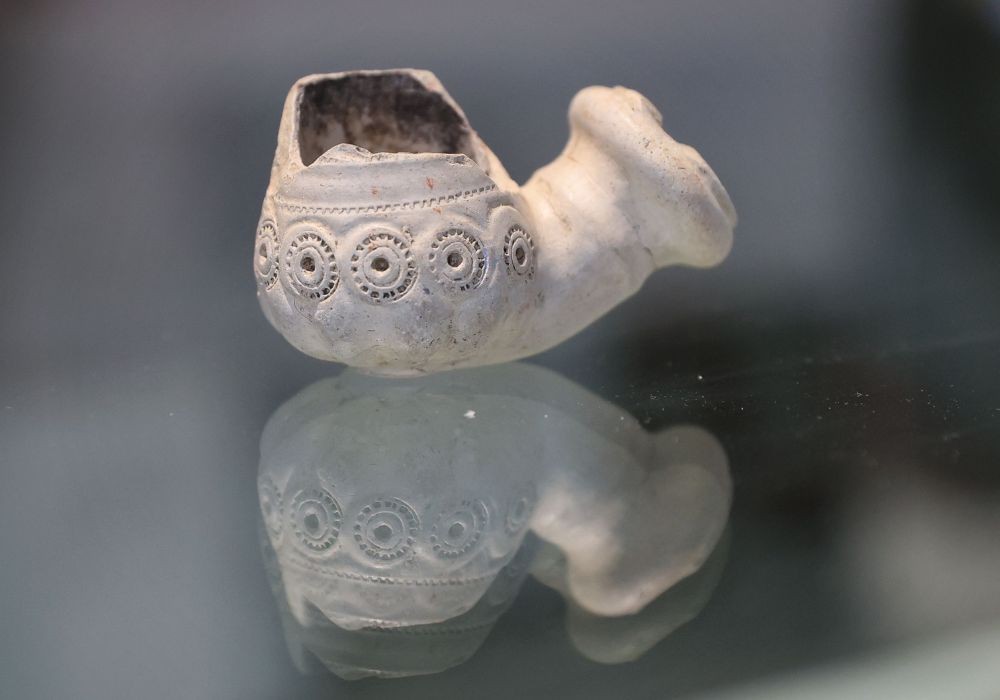
In Europe and in the Ottoman Empire there used to exist pipe-making centres, and by the mid-18th century they were being produced in considerable quantities. The first pipes to have been made in our lands were straight and were heavily influenced by the pipes in Western Europe. The bowl, where the tobacco was inserted, was in the shape of a truncated cone, thinning out in its lower end and, at a right or obtuse angle, gradually morphing into a long stem. Once the clay was fired, these pipes were usually white. Later, the decorations grew more intricate and geometric.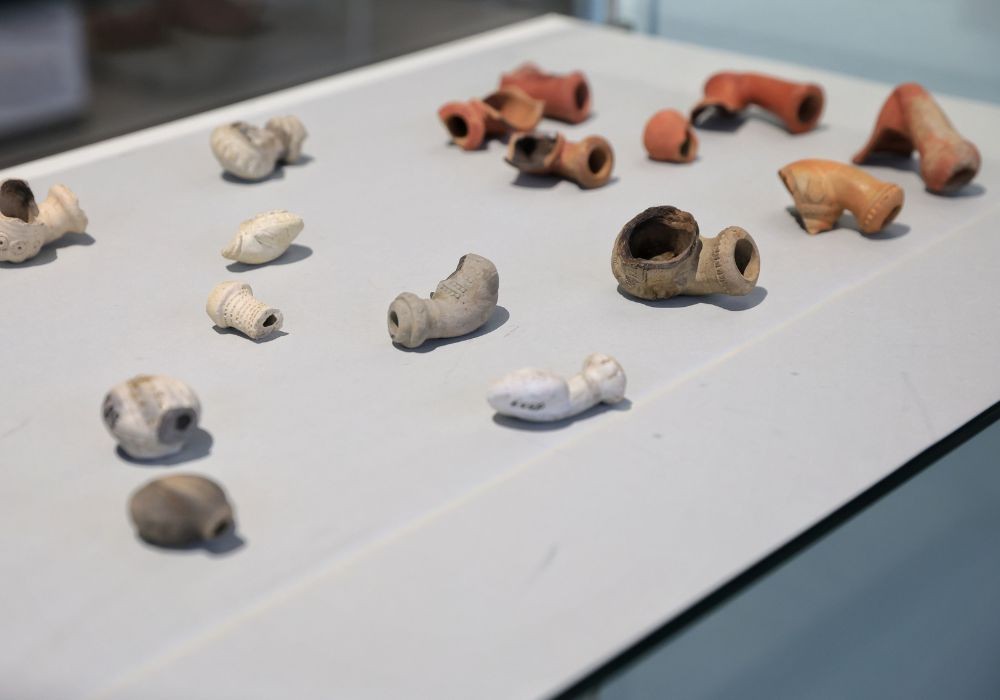
Tobacco has been grown in Bulgaria since 1717, as the exposition in Burgas shows. Alongside the pipes it also provides information about the history of tobacco and tobacco production.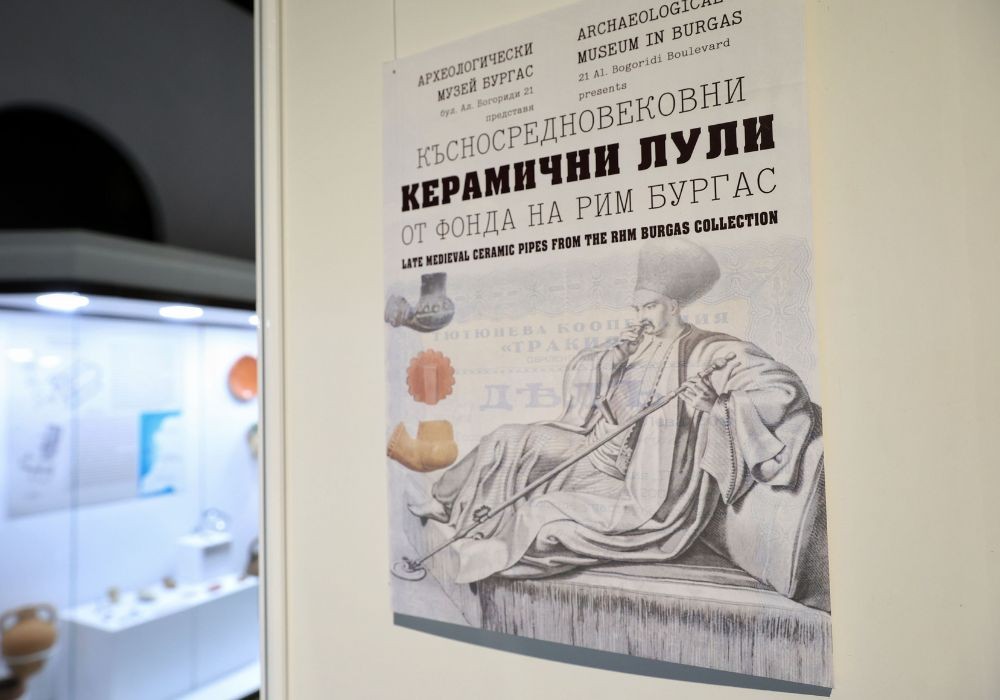
The exhibition “Late Medieval ceramic pipes from the collection of the Regional Museum of History-Burgas” is on until the end of September, 2025.
Compiled by Elena Karkalanova
Translated and posted by Milena Daynova
Photos: BTA
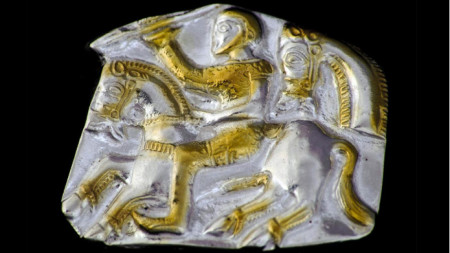
In the world of the Thracians, who had no written language, the most important messages were conveyed through art. The Letnitsa Treasure is precisely such a message — about power, beliefs, and the path to wisdom . This unique discovery, dated between..
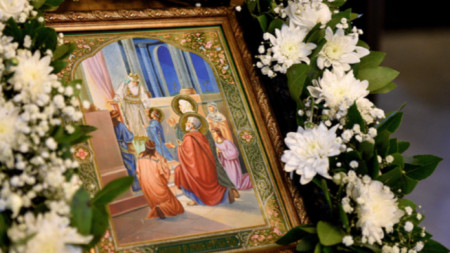
On November 21, the day of the Presentation of Virgin Mary (or the Entry of the most Holy Theotokos into the Temple), the Orthodox Bulgarians also celebrate the Day of the Christian Family and the Learning Youth. The holiday was established by the..
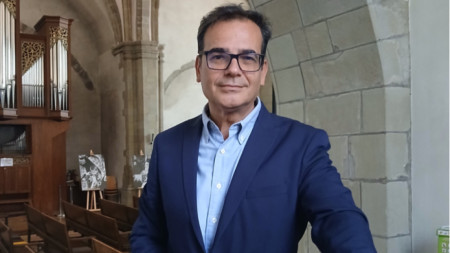
During a visit by the Radio Bulgaria team to the Bulgarian Orthodox Parish "Nativity of the Mother of God" in Geneva, we had the pleasure of meeting Ventseslav Sabev, the son of long-time church history professor at the Sofia Theological Seminary,..





 Mostly Cloudy
 Partly Cloudy
 Cloudy