Metropolitan Arseniy of Sliven has spoken out against the nestinari (fire dancers), prohibiting them from using icons during their rituals. This announcement was made on the Sliven Metropolis's official website and Facebook page.
In his statement, the bishop said that this custom was not original, describing it as plagiarism and imitation of pagan cults from ancient Greece and the Orient.

Nestinarstvo, a folk tradition honouring Saints Constantine and Helena, has strong roots in the Strandzha Mountains, where the celebration is called Kostadinovden. A key element of the ritual is dancing barefoot on burning embers. Both men and women can become nestinari, although women are required to be beyond childbearing age.
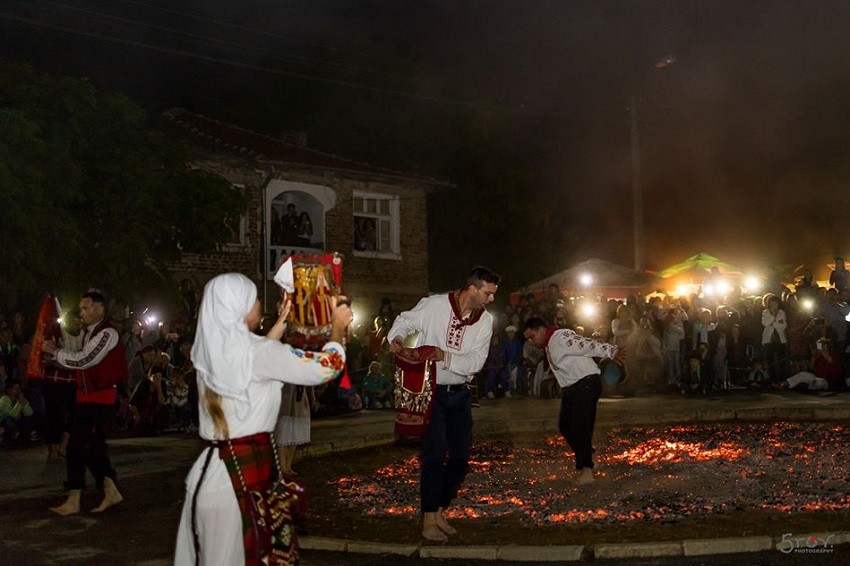
Nestinarstvo is also part of Bulgaria's cultural identity and is recognised by UNESCO as intangible cultural heritage.
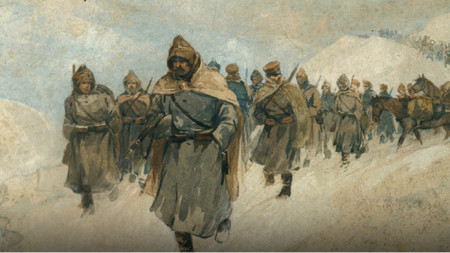
The newest exhibition at the National Museum of Military History in Sofia, 'War and the Creatives: A Journey Through Darkness' opens today, offering free entry as a gesture to those who were unable to visit during the recent renovations. Rather than..
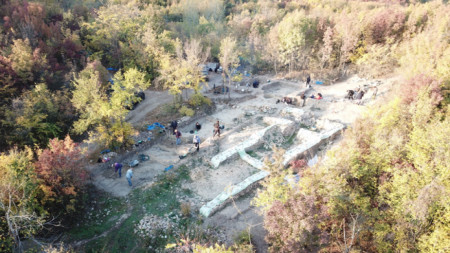
A 5,000-year-long history lies hidden in the ruins of the medieval fortress “Ryahovets” near the town of Gorna Oryahovitsa where active excavations began ten years ago. On this occasion, on November 17, the Historical Museum in Gorna Oryahovitsa..
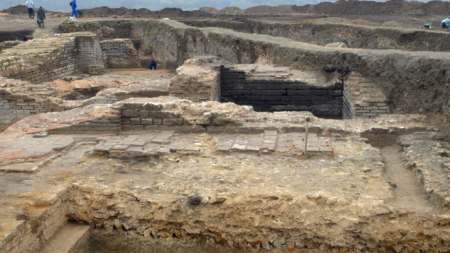
Just days ago, archaeologists uncovered part of the complex underground infrastructure that once served the Roman baths of Ratiaria - one of the most important ancient cities in Bulgaria’s northwest. Founded in the 1st century in the area of..






 Cloudy
 Mostly Cloudy
 Partly Cloudy
 Fog
Fog