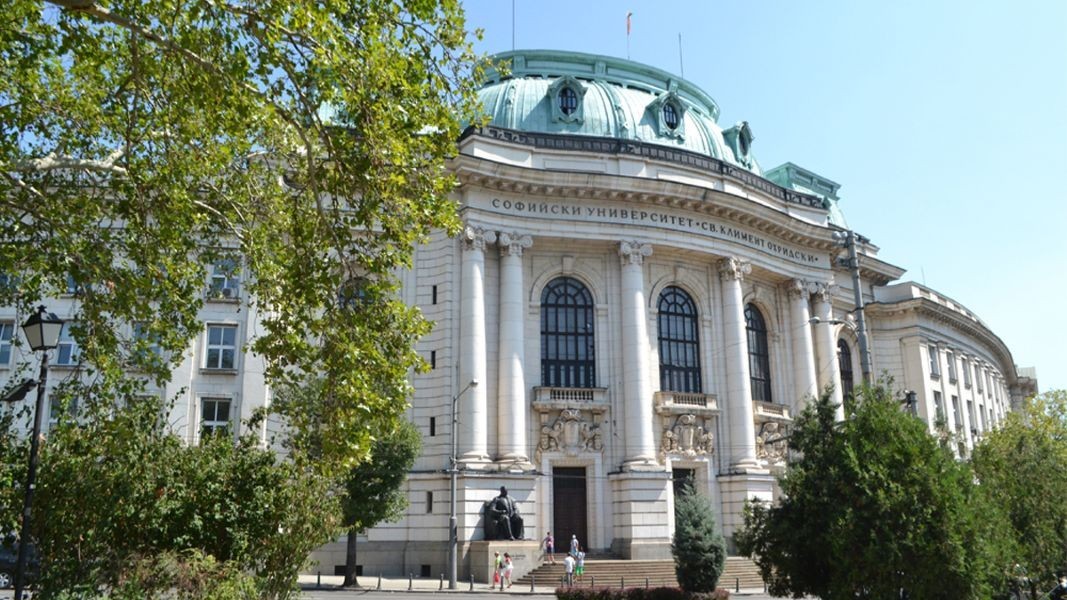
Lectures in the Bulgarian language, as well as seminars on translation, discussions about new trends in contemporary Bulgarian literature and culture, traditions, folklore, and encounters with today’s Bulgarian cinema — all of this is part of the programme for the 62nd Summer Seminar of Bulgarian Language and Culture, which was officially opened at Sofia University “St Kliment Ohridski”. It is the oldest event of its kind in the country and has been held without interruption for over six decades, with the exception of one year during the pandemic. The main organiser is the Faculty of Slavic Philology at Sofia University, with participation from lecturers in the Department of History and the Institute for Bulgarian Language at the Bulgarian Academy of Sciences.
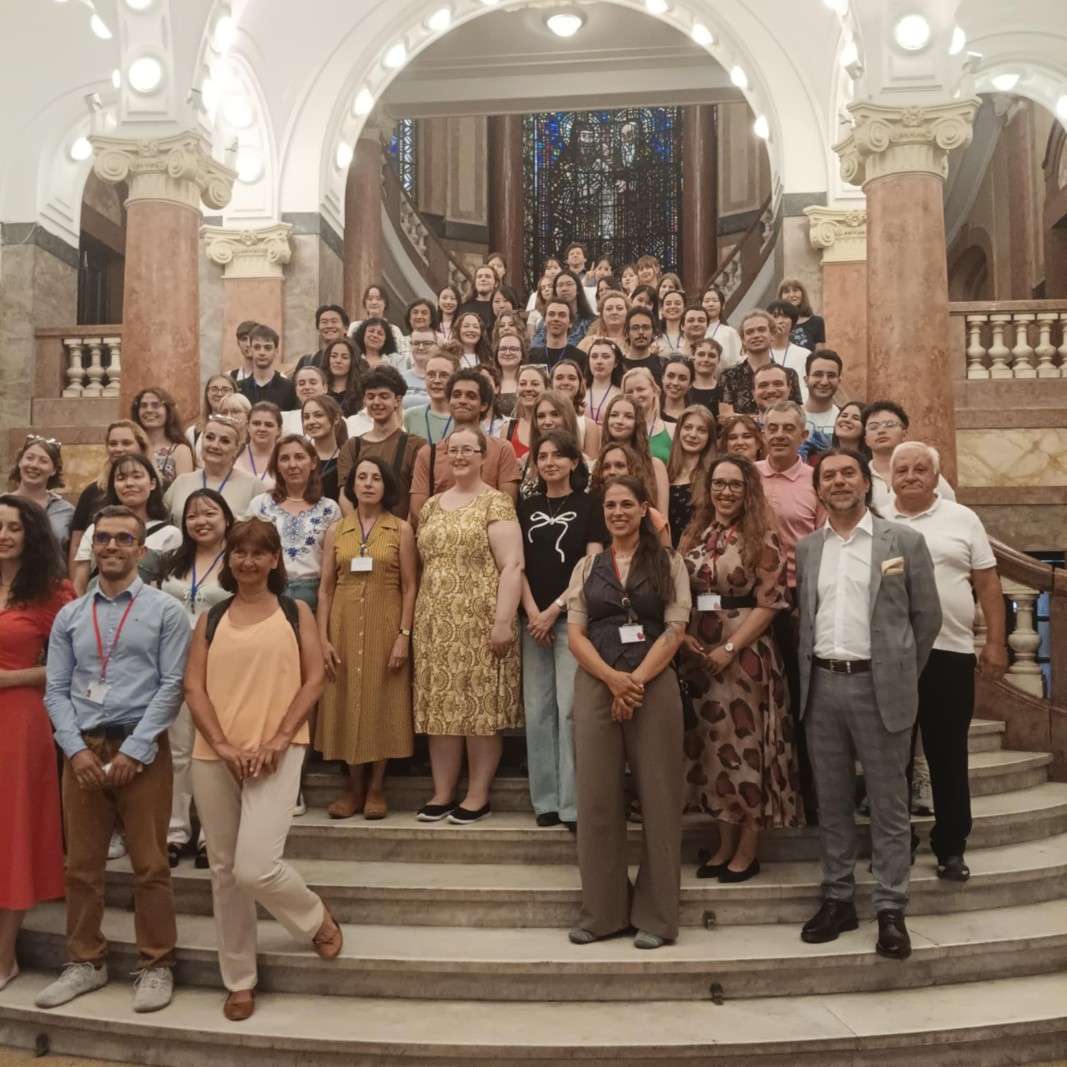
In 2025, the Sofia Summer Seminar in Bulgarian for Foreigners attracted over 80 participants from 26 countries.
‘There are quite a few advanced students with in-depth knowledge of Bulgarian, but each young person is motivated by something different,’ said the seminar director, Associate Professor Atanas Atanasov:
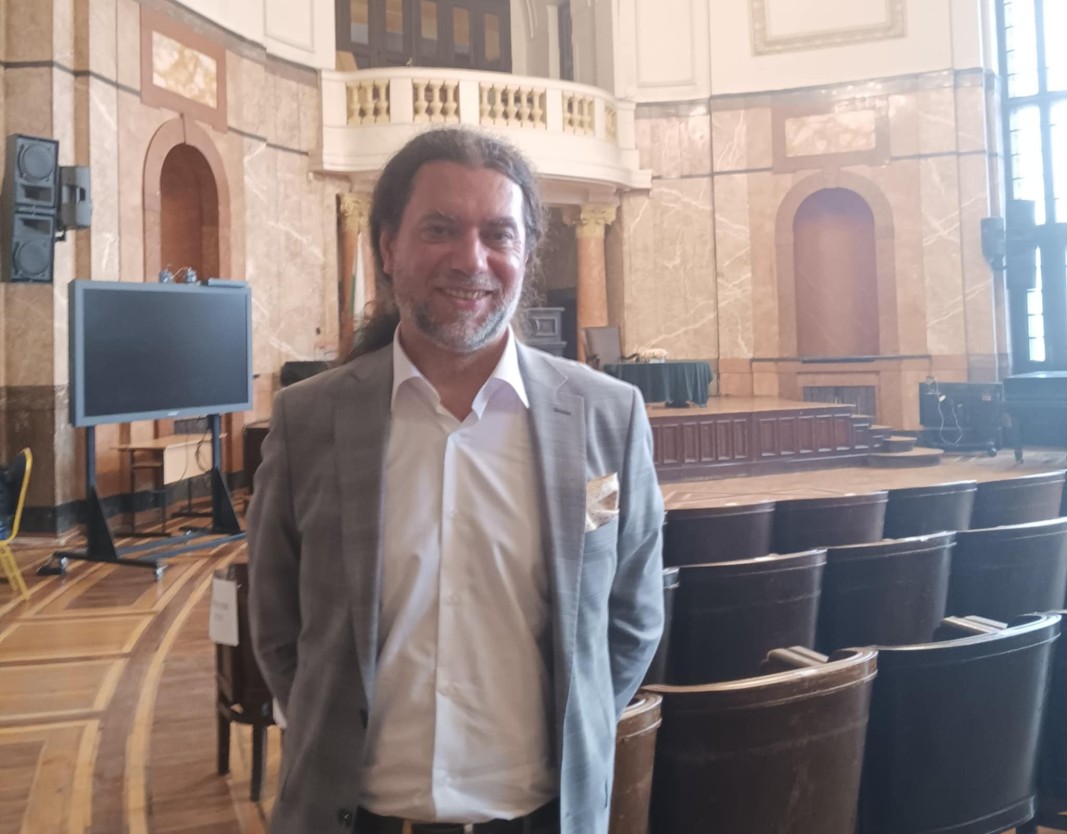
‘Our beginners are usually people who have studied a Slavic language in their own countries and have had little to no exposure to Bulgarian, but they are eager to learn more. Once they develop a passion for the language and Bulgarian culture, they often return to our country time and again. Most of the participants come from European countries, but those from Asia are also well represented at the seminar. Bulgarian Studies has very deep roots in both Japan and China. Several Japanese universities take Bulgarian Studies very seriously. In fact, we have seven participants from Japan this year, and I don’t think any European country is represented by as many Bulgarian Studies specialists. Chinese students form a similar group. Our university has long enjoyed a close relationship with Peking University, whose postgraduate students come to us every year. Their interest in the Bulgarian language is growing, and this is also part of state policy and higher-level relations between the two countries.
‘Overall, I see a great deal of interest in Bulgarian culture in Asian countries. They are fascinated by our folklore, literature and music — everything they encounter here, really. We have planned a very rich cultural programme. There are also two excursions: one to Plovdiv and Bachkovo Monastery, and another to the town of Koprivshtitsa. The first lecture for students with an advanced knowledge of the language is titled “On the Bulgarian Alphabets”, and will cover the Glagolitic script and the development of Cyrillic. During the seminar, participants will also visit the National Library to see Bulgarian manuscripts. This visit coincides with the celebration of the 1,170th anniversary of the creation of the Glagolitic alphabet.’

Ryoda is a 22-year-old student from Japan who is studying linguistics and the history of Slavic languages at Kyoto University. He has chosen Bulgarian as the focus of his academic studies because he is fascinated by both Bulgaria’s ancient history and the Bulgarian language.
‘I love Slavic languages. I first studied Old Bulgarian. Then, two years ago, I decided to learn modern Bulgarian,’ Ryoda from Japan told Radio Bulgaria in an interview. ‘What I like most is that Bulgarian words are very old. I love learning about your ancient culture. I really hope that the friendship between Bulgaria and Japan will grow stronger. What I admire most is Bulgaria’s great history. I believe that Bulgaria is the homeland of all Slavs, and that it has always played a significant role in the Slavic world. In the future, I want to become a professor of Slavic languages, and I believe that studying Bulgarian and Old Bulgarian will help me achieve that goal.’
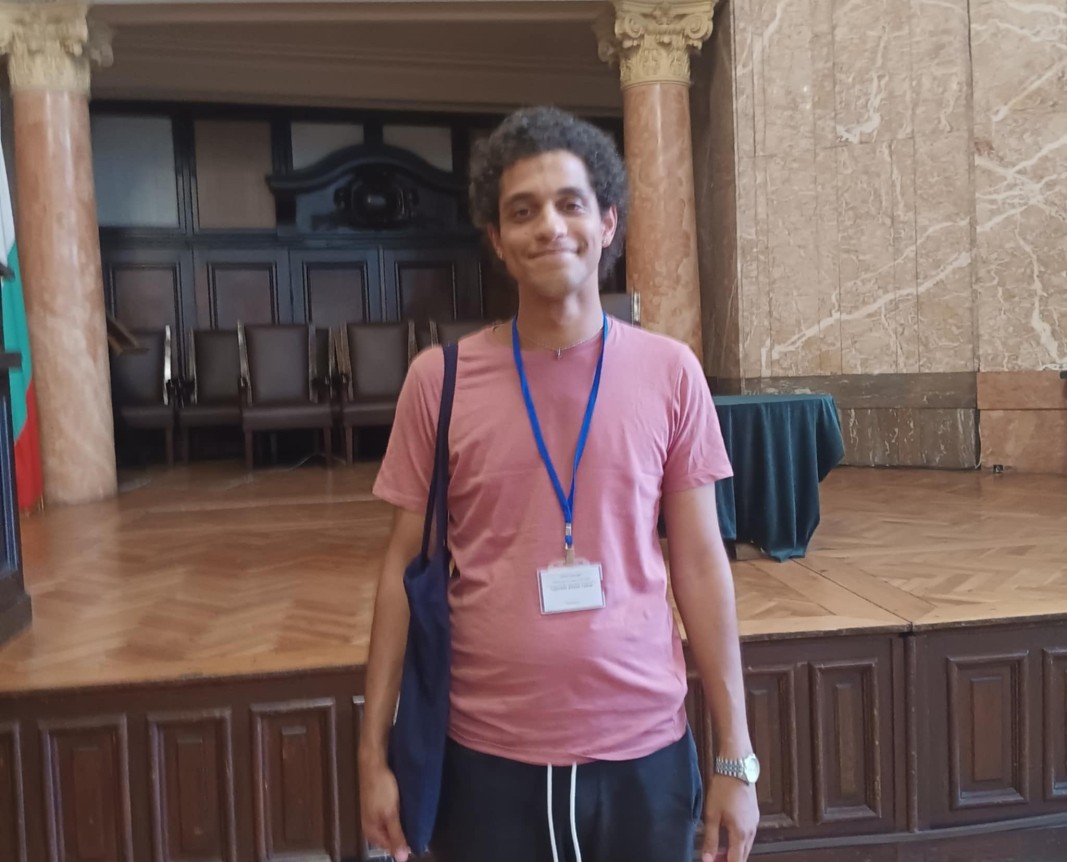
Gabriele comes from the Italian city of Bologna. He says he fell in love with Bulgaria after visiting Sofia and Plovdiv. Encountering Bulgarian history and culture for the first time sparked his curiosity about the Bulgarian language. He notes that interest in studying Slavic languages is growing in Italy.
‘There are many Italian universities where you can study Bulgarian, including the University of Bologna. I’ve been studying Bulgarian for two years. It’s very difficult because it’s my first Slavic language — I haven’t studied Russian or any other Slavic language before. Some time ago, I came to Bulgaria on a trip with my family and girlfriend. It was wonderful. I really like the Bulgarian language, which is why I’m here. I want to learn more about the language and the country’s culture.’
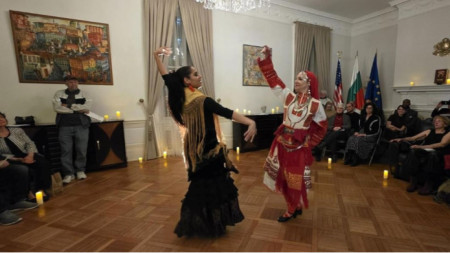
The Bulgarian Embassy hosted the second concert of the 17th season of the Bulgarian Music Society in Washington. On 14 November, guests enjoyed a unique show by two world-class artists, both originally from Bulgaria: Desi Jordanoff, a folk dance master,..

Generation Z students (born 1995–2012) are widely using artificial intelligence in their learning, with teachers reporting that more than 85% complete homework and study with the help of digital assistants. Children tend to see AI as a partner..

This year, Christmas has "arrived" in Sofia as early as November with the aroma of mulled wine, cinnamon and festive magic. Radio Bulgaria recommends that you visit some Christmas spots in the Bulgarian capital city: For those most impatient to..





 Cloudy
 Cloudy
 Mostly Cloudy