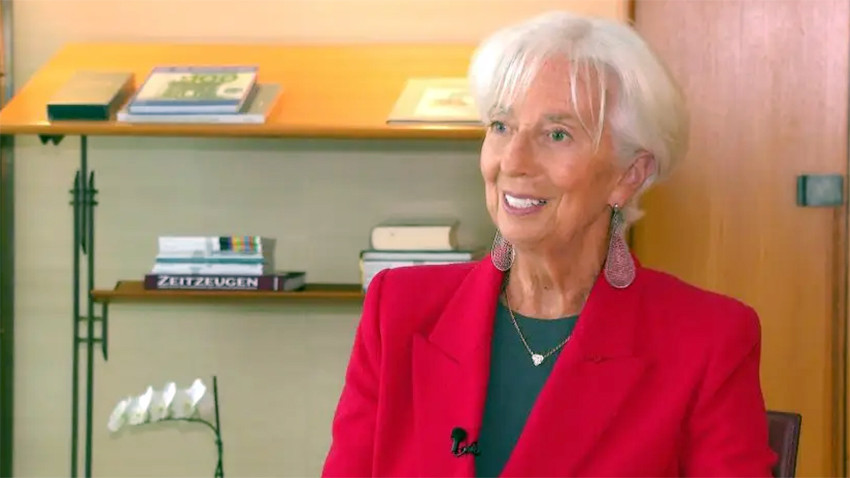
With the introduction of the euro on January 1, Bulgaria will benefit from the stability, liquidity and all the advantages of the common currency, European Central Bank President Christine Lagarde said in an interview with public service broadcaster BNT. In her words, switching to the euro means that transactions anywhere in the eurozone will be possible without having to exchange money. People will not have to think about exchange rate fluctuations, whether the lev is cheaper, what the exchange rate will be, etc.
''The euro is a strong currency, considered the second reserve currency in the world'', Christine Lagarde added. In response to concerns from citizens about prices and inflation related to the replacement of the lev with the euro, the ECB President commented that these effects will regulate themselves over time.
Published and translated by Kostadin Atanasov
Photo: bntnews.bg
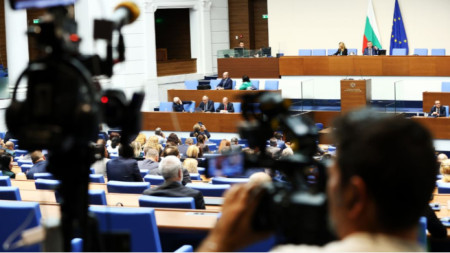
The draft state budget was adopted in first reading by the National Assembly on November 21. However, the planned changes in the financial framework for 2026 triggered an open clash between the ruling coalition, led by GERB party, and the opposition..
KBC Group expects the Bulgarian economy to grow slightly more next year in comparison to its previous forecasts, according to the conclusions of the Belgian financial group's latest assessments of the economies of Central and Eastern..
Foreign direct investment (FDI) in Bulgaria posted the largest net inflows from the Netherlands, Italy and Greece in the first half of 2025, the Bulgarian National Bank (BNB) said. Net FDI inflows totalled €554.9 million from the Netherlands, €325.2..







 Mostly Cloudy
 Partly Cloudy
 Cloudy