Podcast in English
Text size
Bulgarian National Radio © 2025 All Rights Reserved

Balkan developments

Romania renegotiates its National Recovery and Resilience Plan with the EU
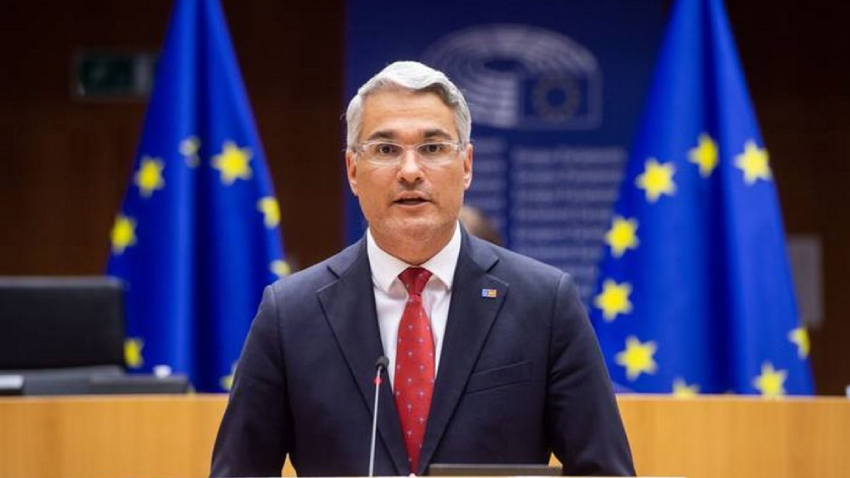

The European Commission has approved a new version of Romania's National Recovery and Resilience Plan, announced Minister for European Funds Dragos Păslaru, quoted by AGERPRES. The new value of the revised plan is 21.41 billion euros, of which 13.57 billion euros are grants and 7.84 billion euros are loans. The previous size of the plan for Romania was over 28 billion euros.
The aim is to reduce pressure on the state budget and deficit and avoid sanctions for delays or unimplemented reforms, the minister explained. "We have removed high-risk investments and transferred 26 investments with solid progress from loans to grants," Păslaru specified.

As an achievement, he highlighted that the financing of the A7 highway to Moldova will be done with an EU grant of 2.17 billion euros. Romania will also be able to keep three coal-fired power plants until 2029.

Military service is not a measure of patriotism, Croatian defense minister says


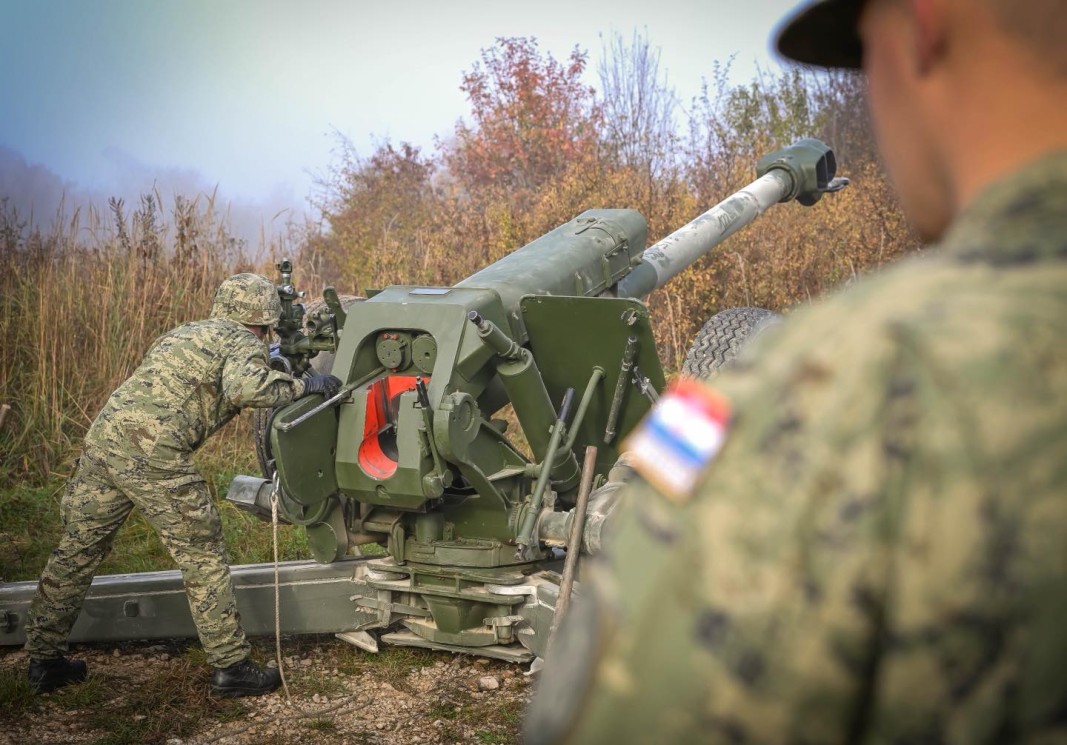
Croatian Defense Minister Ivan Anušić assured that no one will be forced to undergo basic military training if they do not want to, emphasizing that everyone will be able to invoke religious, moral or health reasons for refusal, hina.hr reported.

Those who refuse military service "on grounds of conscience" will be referred by a commission to the Civil Protection for three months of service or to local governments for four months of civilian service, the minister said during a parliamentary debate on amendments to the Defense Law that restores mandatory military training.

Anušić stressed that the basic military training program "is not a measure of patriotism" and does not discriminate against those who choose civilian service.


Voters in Turkish Cyprus reject Ankara-backed leader


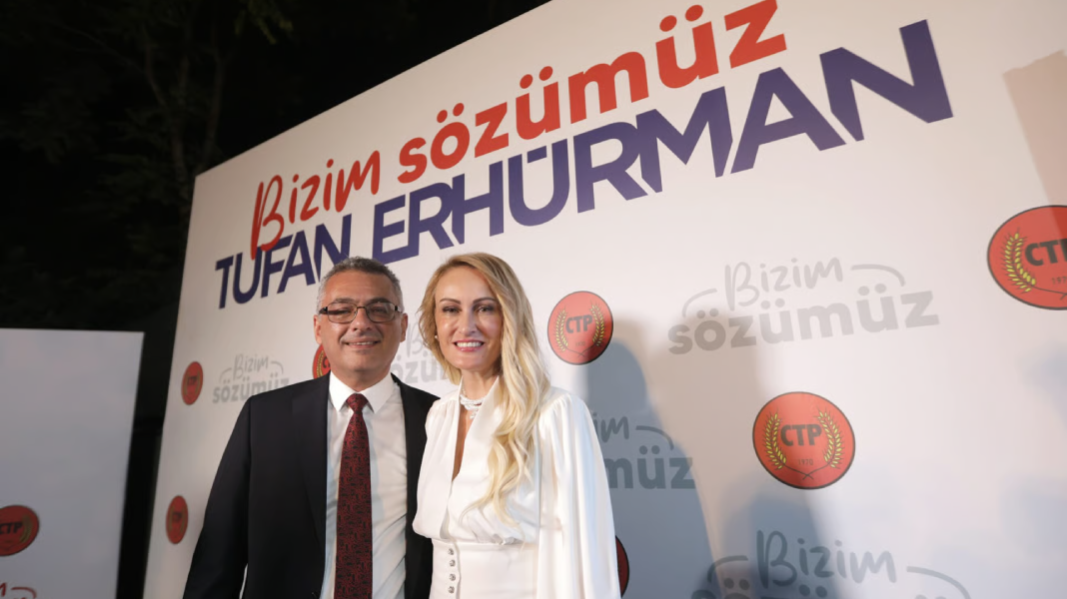
Center-left politician Tufan Erhurman won the presidential election in northern Cyprus with 62.76% of the vote. In second place was the incumbent leader of northern Cyprus, Ersin Tatar, who was supported by Ankara, with 35.81%. Tatar congratulated Erhurman on his victory, Anadolu Ajansı reported.

The internationally recognized Republic of Cyprus, a member of the EU, controls the southern part of the island, which is populated mainly by Greek Cypriots. Tatar defended Ankara's position on the creation of two separate states in Cyprus. Erhurman said he favored a federal state that would include both parts of the island. He said there were no losers in the election and that "the Turkish Cypriot people have won together."

Cypriot President Nikos Christodoulides congratulated Tufan Erhurman and called on him to resume negotiations to resolve the Cyprus issue.


Turkey seeks to attract workers from Turkic-speaking countries
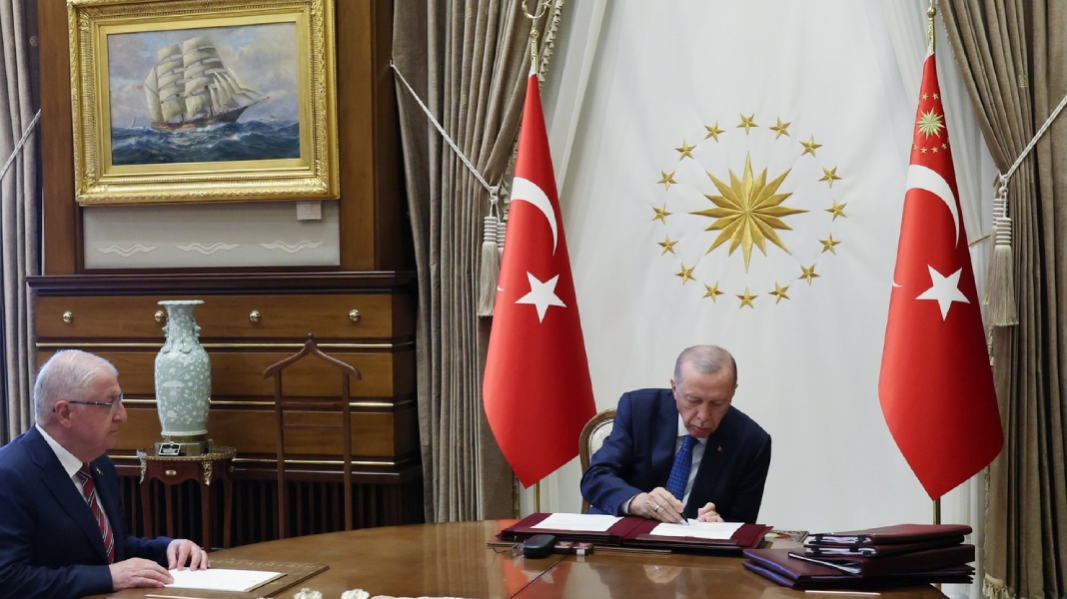

A decree by Turkish President Recep Tayyip Erdogan has introduced a new status for members of Turkic communities living in Turkey, trthaber.com reported. They will no longer be considered "foreign citizens" in terms of the labor market and will receive a number of benefits.

According to experts, Turkey's demographic structure and a significant shortage of labor in agriculture and animal husbandry, combined with the acceleration of migration from rural areas to cities, are factors that reinforce the importance of the introduced amendments.

According to the General Directorate of Migration, as of 2020, the number of foreigners of Turkic origin in Turkey is over 1,333,000 people.


Montenegrin city of Niksic to be European Capital of Culture
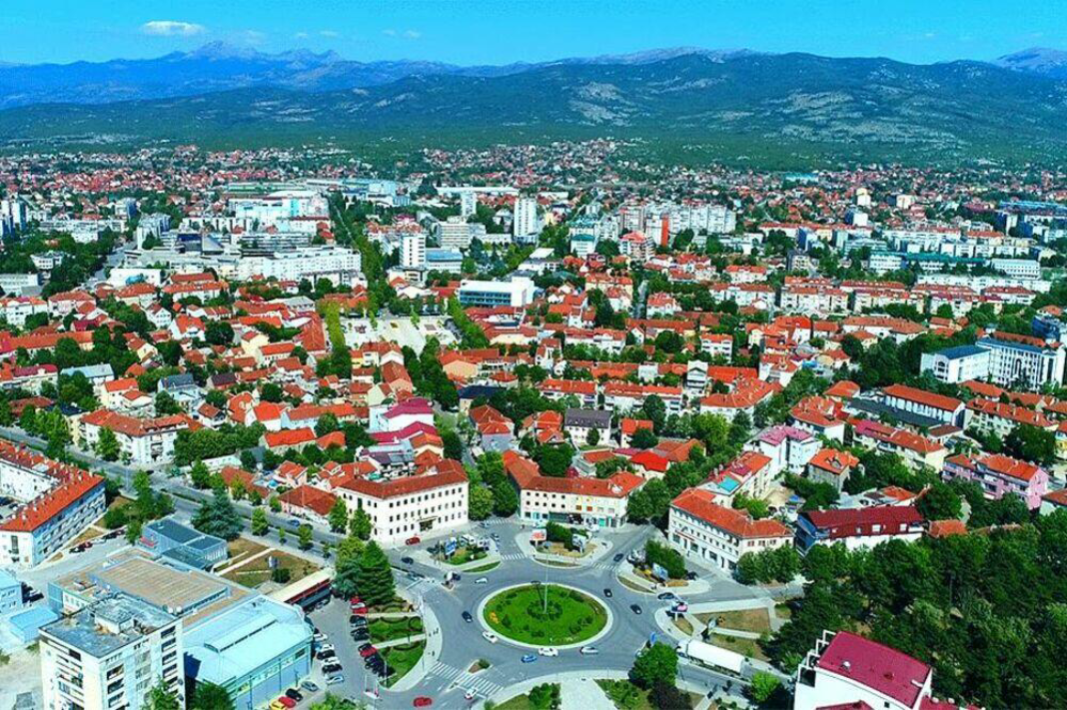

The city of Niksic in Montenegro has been chosen as the European Capital of Culture in 2030. The jury of the European Commission preferred it over the Ukrainian Lviv, BTA reported.

The Minister of Culture of Montenegro, Tamara Vujovic, said that the choice of Niksic is an exceptional recognition of the Montenegrin culture, creativity and European values ​​that the city nurtures, but also of the strength of the local community.

Near Podgorica, Niksic is a 60,000-strong industrial center. The settlement originated in the 4th century as a Roman fortress. In the Middle Ages it was called Onogost. Its rapid development began after 1877, when it was annexed to Montenegro and the neighborhoods extended beyond the old fortress walls.

Along with Nikšić, the European Capitals of Culture will be Leuven in Belgium, and in December a third capital will be selected - between Larnaca and Limassol in Cyprus.


Compiled by Ivo Ivanov
English publication: R. Petkova


More from category

From palkenski dialect to standard speech – a Bulgarian language lectureship starts in Timișoara

Timișoara, a large multicultural city in western Romania, is the center of the historical community of the Banat Bulgarians . The members of this community are descendants of settlers from the Bulgarian lands nearly three centuries ago, who have..

published on 11/24/25 3:55 PM
Marian Serafimov

Marian Serafimov – a young man from Gabrovo who turns enthusiasm into change

In Gabrovo – a city in the geographical center of Bulgaria, once described as the Bulgarian Manchester, but today facing demographic challenges – there are young people who believe that the future can be better and that this largely..

published on 11/23/25 3:15 PM

Stela Nedkova and her Bulgarian corner in Brussels – a restaurant with traditional Bulgarian dishes

For 15 years, Stela Nedkova has been living in Brussels . After completing her education in Bulgaria, she decided to test herself in a different reality to see whether she could handle life’s challenges on her own, without her parents’ help. Stela faced..

published on 11/23/25 11:15 AM