Podcast in English
Text size
Bulgarian National Radio © 2025 All Rights Reserved

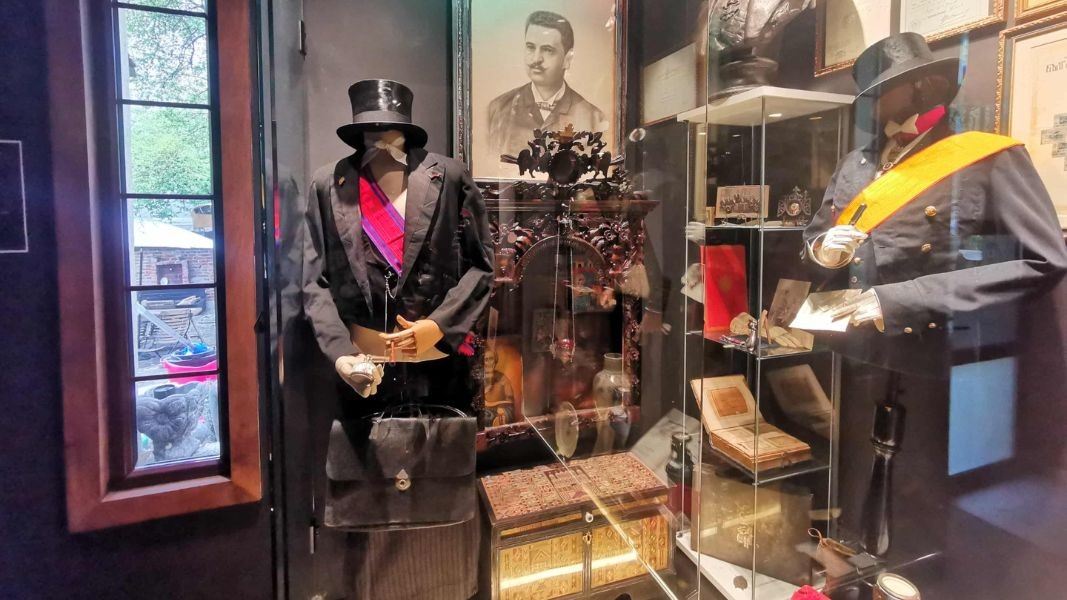
A politician, diplomats and military figures: the heroes of Sofia's new museum.

Photo: Yoan Kolchev

‘In my view, the period between Bulgaria’s liberation and 1944 was especially significant because I believe that the country was then on the right developmental path,’ says collector Filip Milanov. ‘That era produced many people of exceptional integrity and values — qualities that are often lacking today. I want both children and adults to see the objects I’ve gathered, but above all, I want them to hear the stories behind them and learn more about these remarkable figures.’


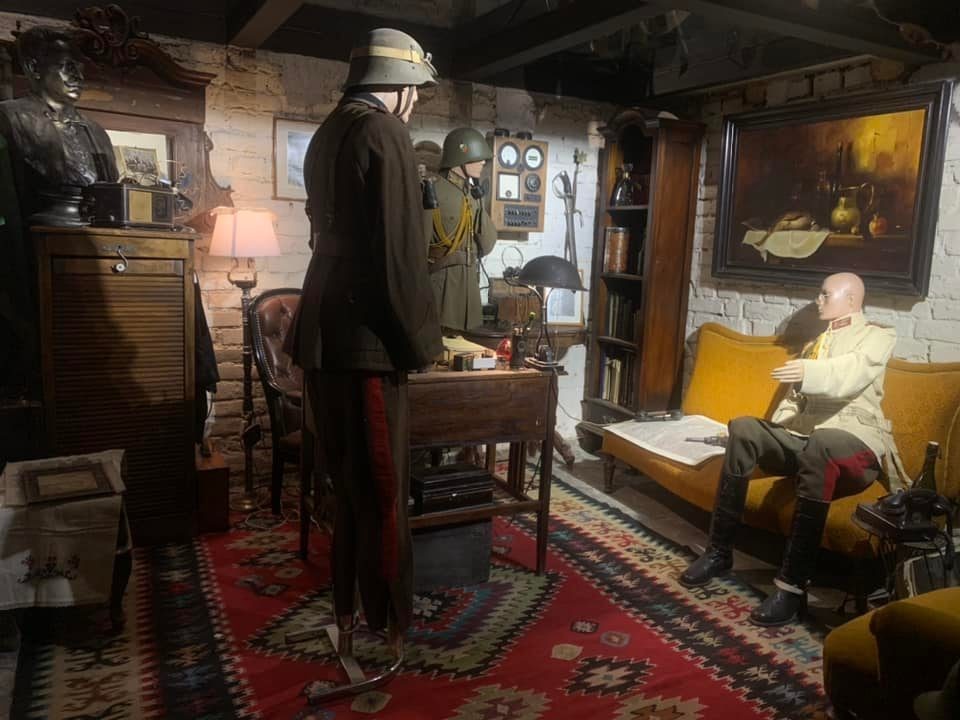
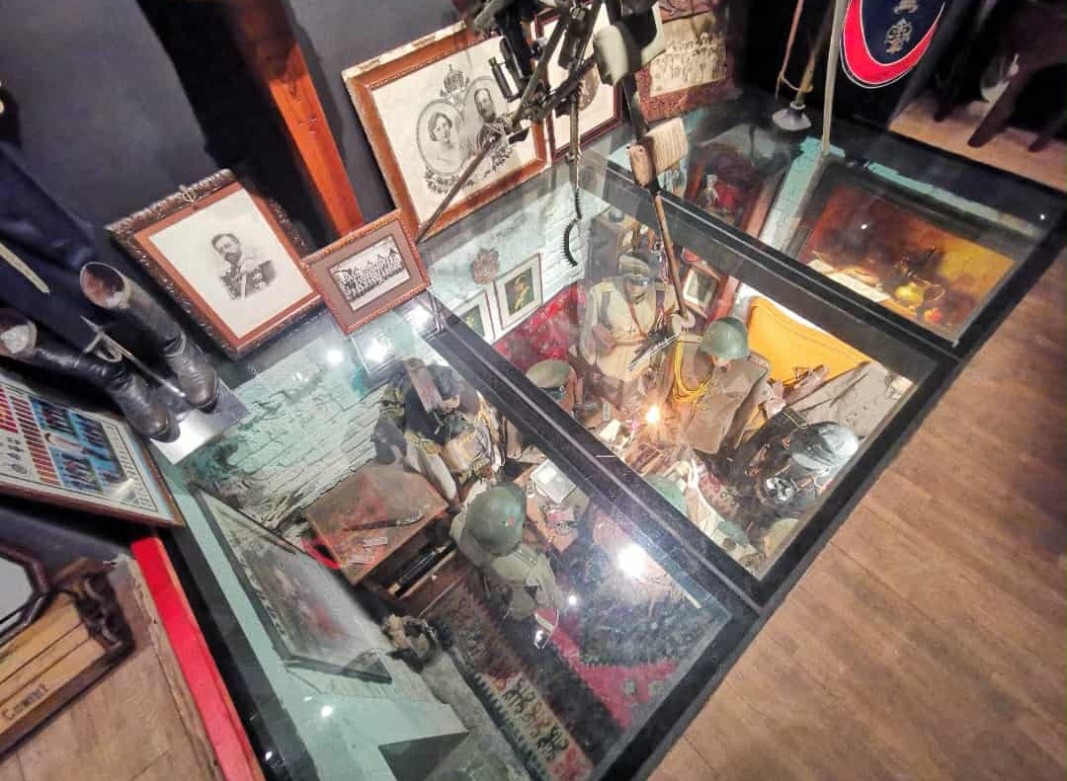
We met Milanov out of curiosity — could one person really gather, preserve, and curate such a remarkable collection of military-historical artefacts and documents today? His private collection, now on display at the Sofia Headquarters (Sofiyski Shtab) museum, vividly captures the lives of the individuals who shaped the Third Bulgarian Kingdom from the Liberation to 9 September 1944.


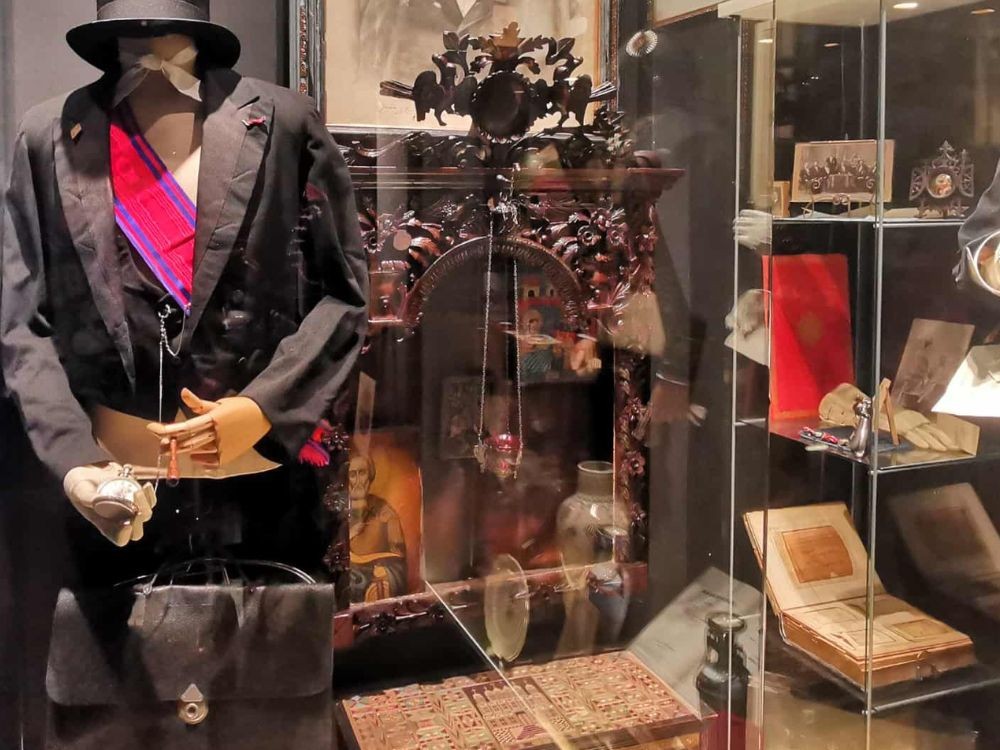
One of the exhibition's highlights features the personal belongings of Konstantin Stoilov, who served as Bulgaria’s prime minister during its 14th government — a man remembered for his statesmanship and contribution to the country’s modernisation at the turn of the 20th century.

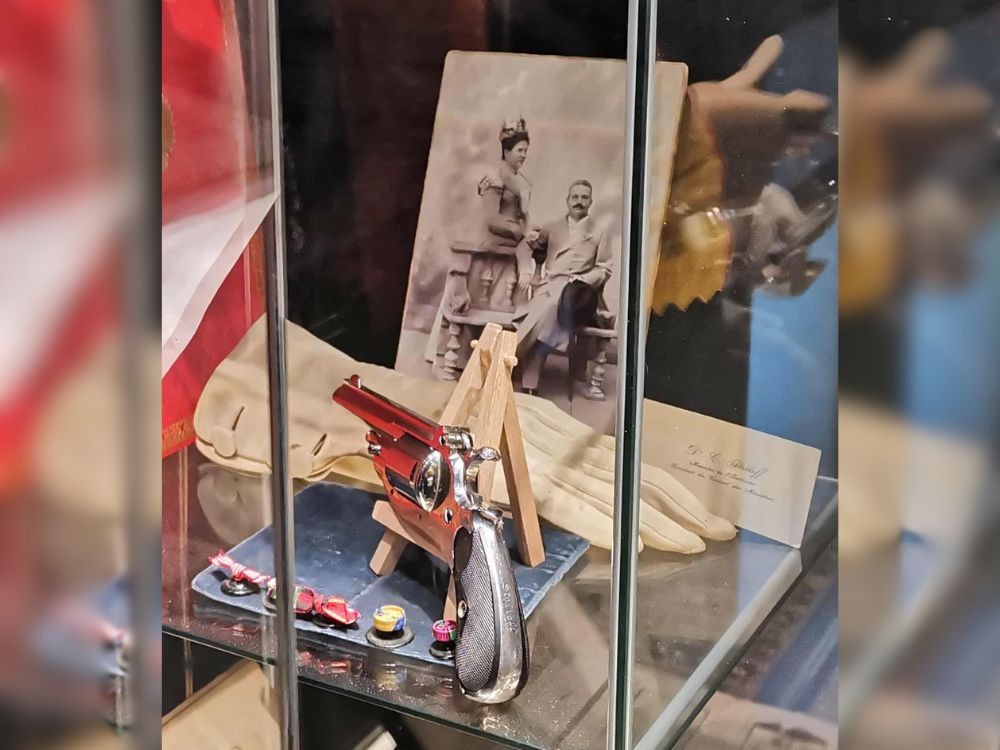
‘My friend Kamen Chipev and I found a pistol in the basement belonging to his great-great-grandfather, Konstantin Stoilov. It turned out to be a one-of-a-kind weapon, commissioned by Stoilov himself in Paris from the firm Ferdinand Clodin, which crafted weapons for royalty. The pistol had a hidden trigger and all the custom specifications that Stoilov had requested. It even had his name engraved on the grip before it was nickel-plated.’


While restoring the weapon in Saint Petersburg, Filip Milanov realised not only its historical significance, but also its monetary value. He immediately tried to return it to Kamen, but he firmly refused. The tragic death of Kamen in a mountain accident convinced Milanov to fulfil a promise he had made: to create a place where such memories could be preserved for future generations.

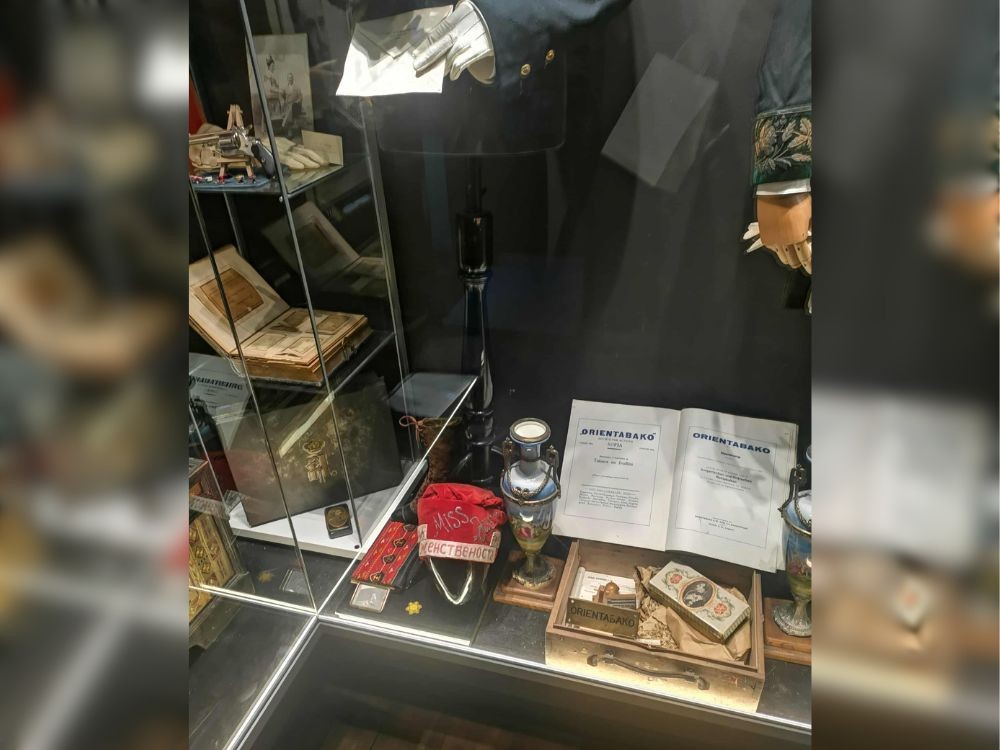
Alongside the pistol, the museum houses a special letterbox belonging to Prime Minister Konstantin Stoilov, offering additional insight into the personal life of the statesman.


‘This box once contained the daily correspondence between him and Prince Battenberg. It had two keys, and a courier would carry it back and forth between them. The prince’s monogram is engraved on the box, which bore countless important messages exchanged between the two men. There is also an exquisitely crafted chest, made from pieces of straw arranged like a puzzle, which was presented to him by the municipality of Sofia after the city was declared the capital of the Principality of Bulgaria.’

The artefacts on display include numerous documents and photographs, as well as Konstantin Stoilov’s personal iconostasis, his full formal attire, and his personal watch, the latter a gift from Prince Ferdinand.


Another notable feature of the exhibition is a collection of items belonging to the brothers Krum and Stefan Chaprashikovi.

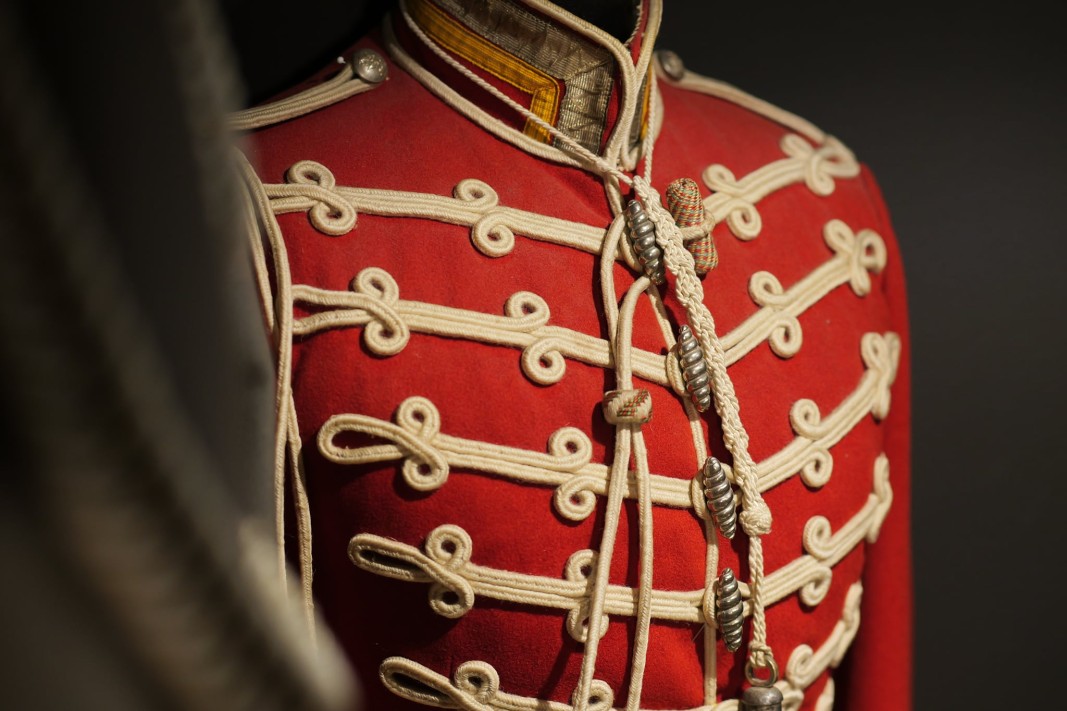
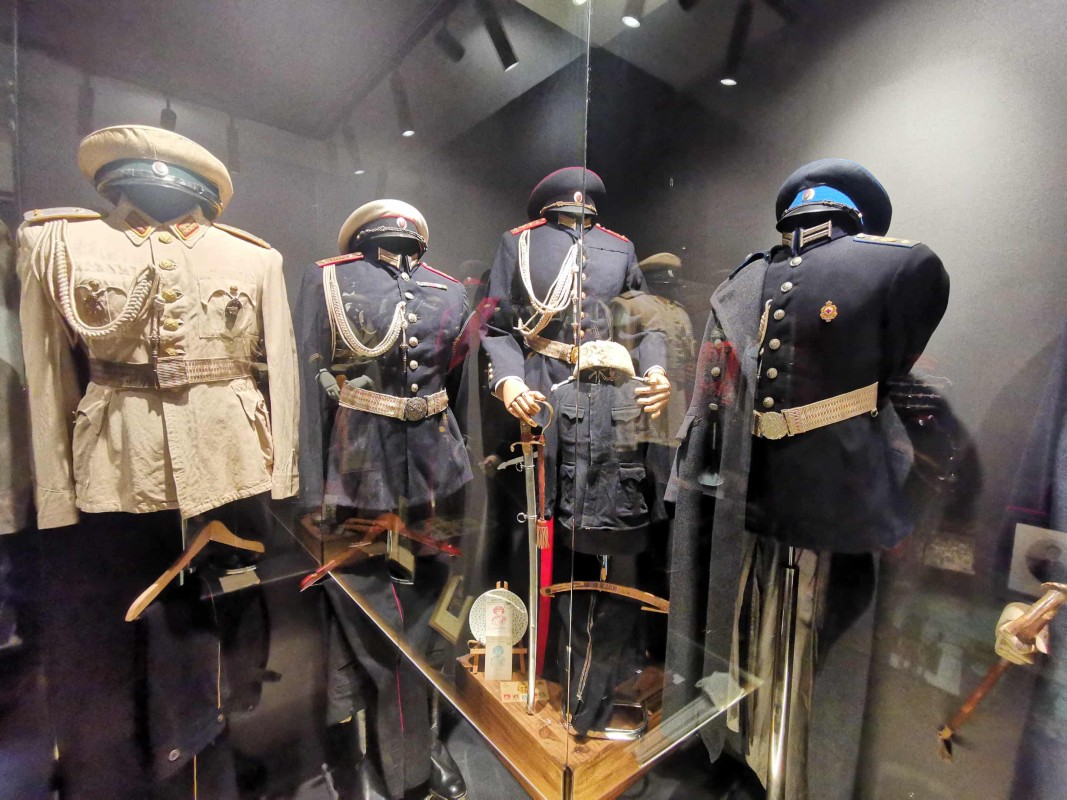
‘We have two uniforms belonging to Stefan Chaprashikov. One is the uniform he wore while serving as secretary in the Tsar’s inner office for eight years, along with many of the honours he received as a diplomat from various European monarchs of the time. We also have the livery he wore during the wars for national unification in some of the most turbulent regions of the time, including Serbia, Romania, and Greece. He was in Moscow during the October Revolution of 1917. Many fascinating documents from that time have been preserved and can be seen alongside other objects once owned by the family.’


A child’s guard uniform, worn by Tsar Simeon II before 1946, is also part of the museum’s collection. It is displayed alongside uniforms belonging to pilots who defended Sofia during the 1945 bombings.


‘The exhibition still holds many more surprises,’ our interlocutor adds. ‘We also have a basement area that is popular with local children from nearby schools. It contains a communications room and a field hospital, as well as other spaces connected to our military history.’

Todor Obreshkov
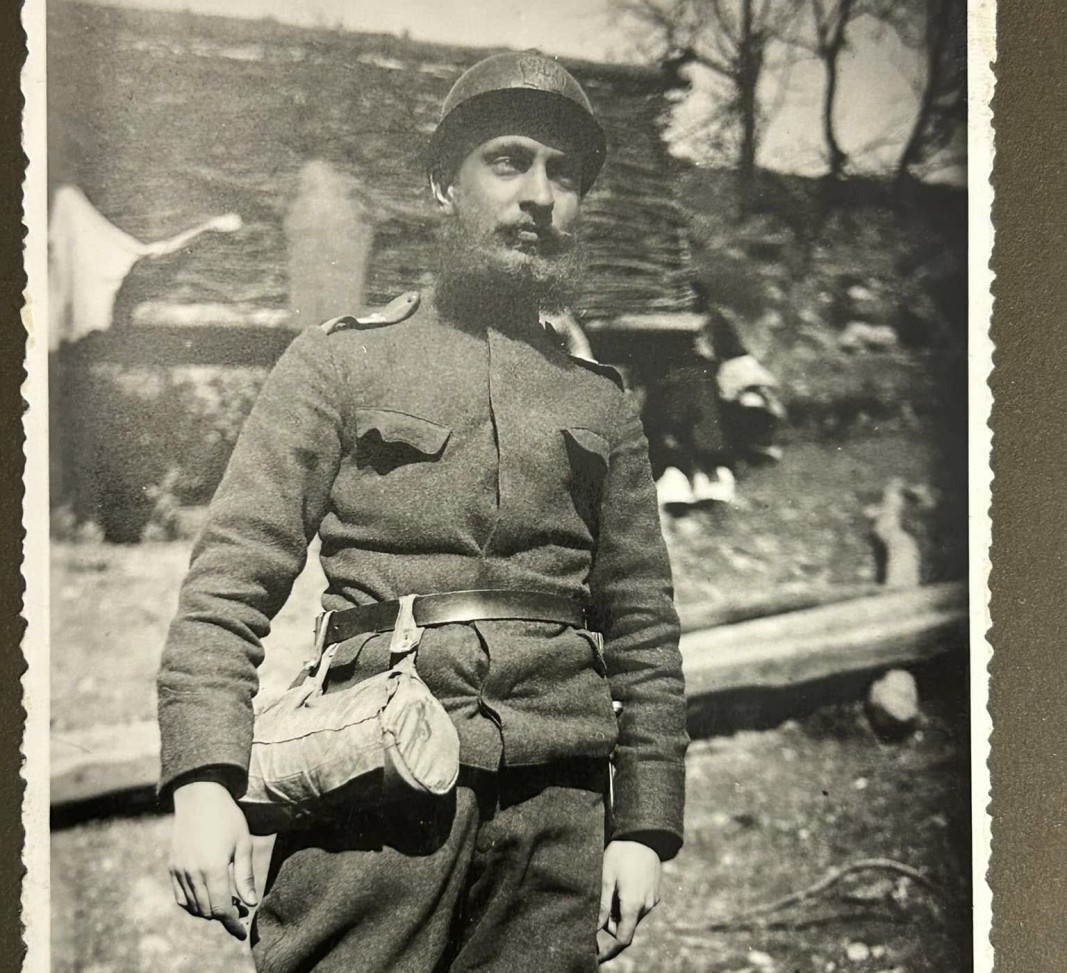
Among the artefacts that will soon find a place in the museum are documents and personal items belonging to Rear Admiral Sava Ivanov, who was the head of the fleet under Tsar Boris III. He wrote over 400 articles on naval affairs for foreign journals. The museum also preserves items belonging to Todor Obreshkov, who fought in the Balkan Wars and the First World War. He returned from the front with an incredible photographic archive, from which Filip hopes to curate an exhibition. He also left behind memoirs, which are likely to be published soon.


Editor: Desislava Semkovska
Posted in English by E. Radkova
Photos: Yoan Kolchev


Последвайте ни и в Google News Showcase, за да научите най-важното от деня!
Listen to the daily news from Bulgaria presented in "Bulgaria Today" podcast, available in Spotify.

More from category

From palkenski dialect to standard speech – a Bulgarian language lectureship starts in Timișoara

Timișoara, a large multicultural city in western Romania, is the center of the historical community of the Banat Bulgarians . The members of this community are descendants of settlers from the Bulgarian lands nearly three centuries ago, who have..

published on 11/24/25 3:55 PM
Marian Serafimov

Marian Serafimov – a young man from Gabrovo who turns enthusiasm into change

In Gabrovo – a city in the geographical center of Bulgaria, once described as the Bulgarian Manchester, but today facing demographic challenges – there are young people who believe that the future can be better and that this largely..
published on 11/23/25 3:15 PM

Stela Nedkova and her Bulgarian corner in Brussels – a restaurant with traditional Bulgarian dishes

For 15 years, Stela Nedkova has been living in Brussels . After completing her education in Bulgaria, she decided to test herself in a different reality to see whether she could handle life’s challenges on her own, without her parents’ help. Stela faced..
published on 11/23/25 11:15 AM