Moody’s credit ratings agency has affirmed the long-term foreign and local currency sovereign credit ratings on Bulgaria at ‘Baa1’ with a stable outlook, the Ministry of Finance announced.
According to the agency, the country can still meet its target by adopting the euro next year, but said that the country’s adoption of the euro was “likely to be delayed at least until 2025.”
While the rate of growth is expected to slow to 1.4% of GDP in 2023, Moody's expects that this will be among the more robust growth rates among European sovereigns this year, and that growth will pick up to 2.9% in 2024. According to the credit ratings agency inflation will be high but declining towards 6.0% by the end of 2023, from 14.3% at the end of 2022.
Moody’s expects that the headline deficit will remain broadly stable around 3% of GDP in 2023 and 2024.
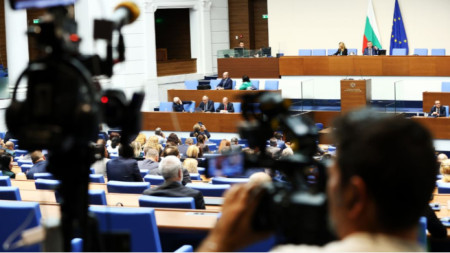
The draft state budget was adopted in first reading by the National Assembly on November 21. However, the planned changes in the financial framework for 2026 triggered an open clash between the ruling coalition, led by GERB party, and the opposition..
KBC Group expects the Bulgarian economy to grow slightly more next year in comparison to its previous forecasts, according to the conclusions of the Belgian financial group's latest assessments of the economies of Central and Eastern..
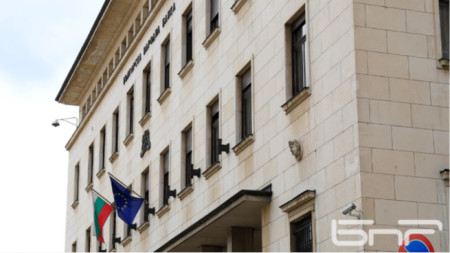
Foreign direct investment (FDI) in Bulgaria posted the largest net inflows from the Netherlands, Italy and Greece in the first half of 2025, the Bulgarian National Bank (BNB) said. Net FDI inflows totalled €554.9 million from the Netherlands, €325.2..








 Cloudy
 Cloudy
 Mostly Cloudy