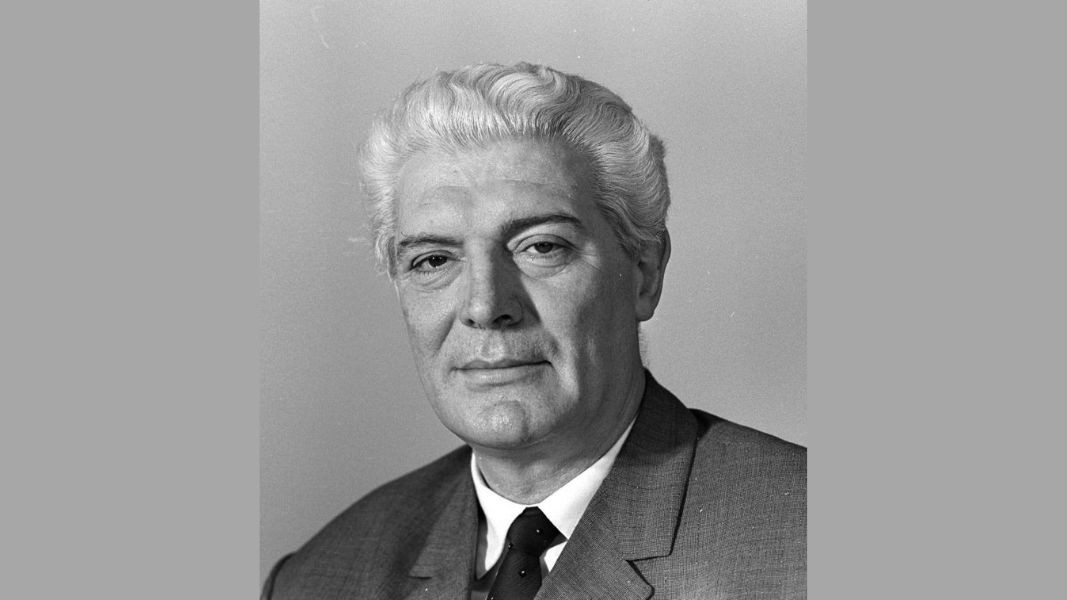
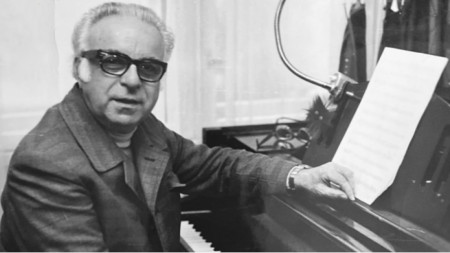
Celebrated as the founder of modern Bulgarian pop music and often referred to as the 'patriarch' of Bulgarian schlager, Yosif Tsankov was an irresistibly charming romantic figure whose work shaped the country's popular music for generations. His output was remarkable not only in volume—over 500 works including operettas, instrumental, dance, film, and theatre music, as well as classic songs—but also in artistic quality.
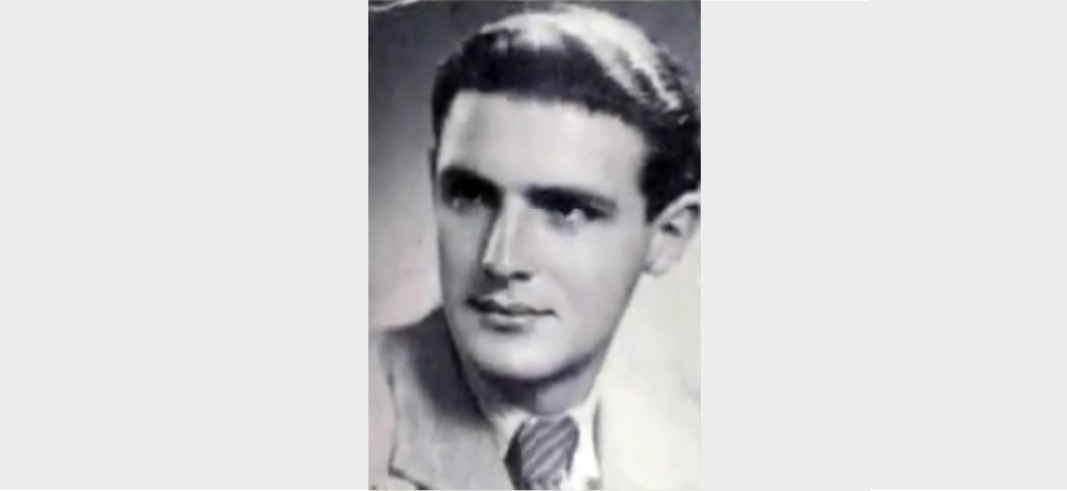
Tsankov's musical journey began at the age of six, and he was only 11 when he started experimenting. By the age of 19, he had written his first original song, 'Come With Me to Hawaii'. In 1936, he became one of the founders of Bulgarian National Radio, contributing ideas for numerous music and children's programmes. Between 1937 and 1941, he was an active member of the hugely popular Odeon musical theatre, where he composed successful operettas, as well as waltzes, foxtrots, rumbas and tangos. Tsankov was also a co-owner and manager of Bulgaria’s first gramophone record factory.
After the communist regime was established in Bulgaria on 9 September 1944, artists from prominent families like Tsankov came under political pressure and faced restrictions on their work. His music, labelled 'bourgeois', was banned from radio and public performance. He did not return to professional work until the early 1950s, when he joined the newly established Balkanton recording company — reportedly with the personal support of the renowned Soviet composer Aram Khachaturian.
Tsankov’s finest songs were written in the 1960s in collaboration with poets Dimitar Vasilev and Dimitar Tochev, and performed by some of the brightest stars of Bulgarian pop, including Margret Nikolova, Georgi Kordov, Lili Ivanova and Pasha Hristova. However, in 1967, the jury of the “Golden Orpheus” international pop song festival declined to award the Grand Prix to the acclaimed 'Pesen moya, obich moya' (“My Song, My Love”), with lyrics by Dimitar Vasilev, despite its overwhelming popularity with audiences.
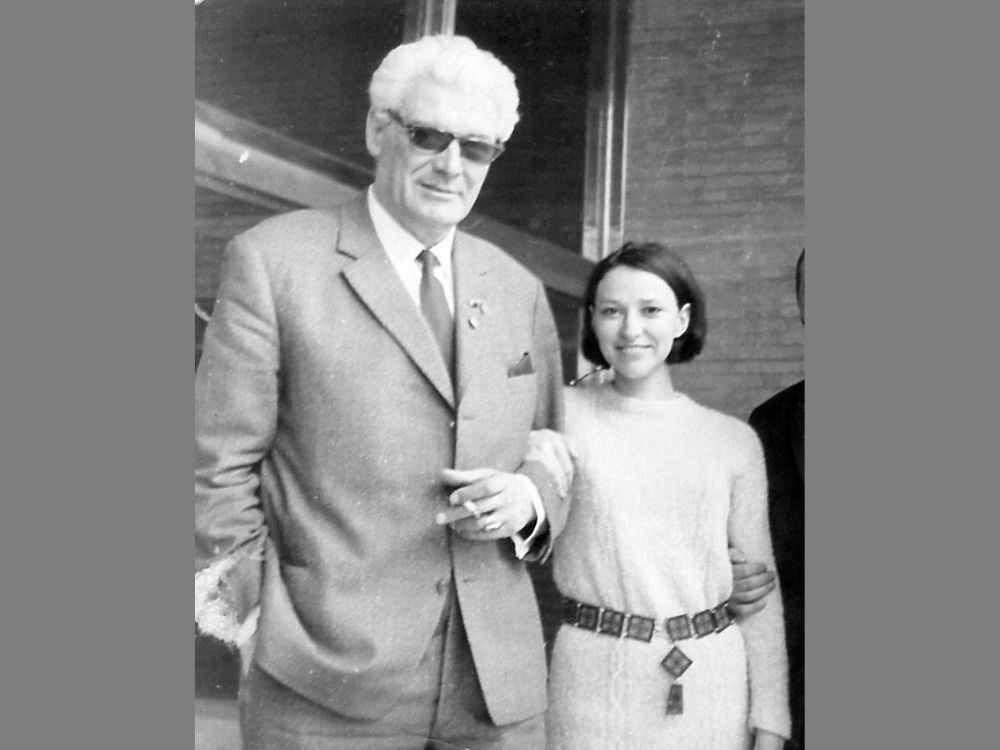 Tsankov’s music reached far beyond Bulgaria. His works were performed and recorded by international stars such as Josephine Baker, Claudio Villa, Arturo Testa, Siegfried Walendy and Gilbert Bécaud. Today, songs such as 'Moonbeams', 'Saturday Night', 'My Spring', 'A Hundred Guitars Play', 'Kiss Me' and 'Homeless Clouds' live on as cherished memories for older generations and as inspiration for young artists who continue to perform them in new arrangements and cover versions.
Yet 'My Song, My Love' remains perhaps the most beloved and enduring of Tsankov's creations — not only the defining hit of his career and a hallmark in the repertoire of the great Bulgarian singer Yordanka Hristova, but also a cornerstone of Bulgarian music as a whole.
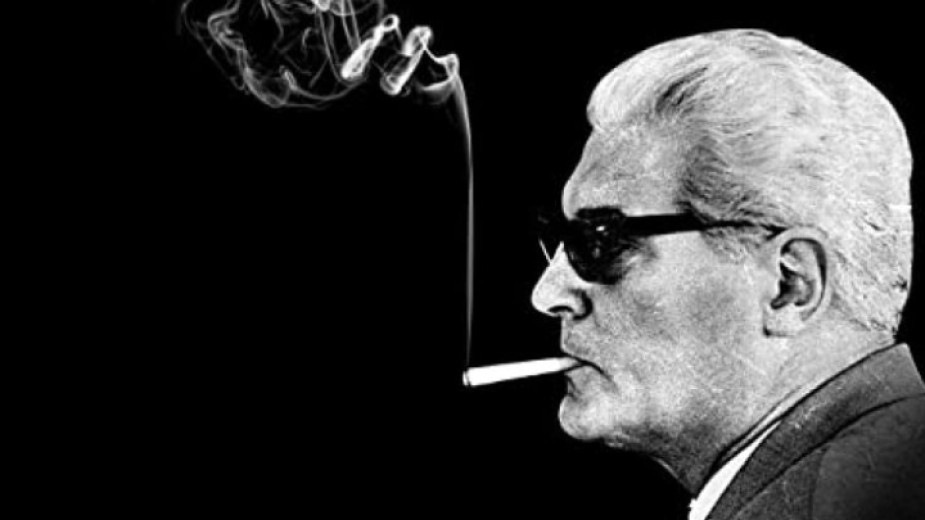
“This song follows me everywhere; it is inseparable from me, my trademark,” Hristova told bTV in an interview. "Some journalists even call me 'Mrs My Song, My Love,' which I find flattering. Tsankov was a giant: a multifaceted and deeply significant figure. I adore this song. It resonates universally; it moves people because it speaks to something broader — not just private life, but something more human and global. It carries a different message. It's an exceptional song: My Song, My Love. Full stop. No explanation needed."

Often described as “the Bulgarian Verdi” or “the Bulgarian Puccini,” composer Parashkev Hadjiev (1912–1992) has long been recognised as a central figure in Bulgaria’s operatic tradition. The country’s most prolific creator of musical-stage works, he left..

Admirers of schlager music and expressive stage presence are certainly looking forward to the pre-Christmas meeting with Veselin Marinov. It has already been a long-standing tradition for the singer to have a concert in the National..
Photos: ubc-bg.com, архив, Facebook/ Filmotechno podcast Discover more Bulgarian music in Radio Bulgaria's series "Highlights of Bulgarian musical culture": Highlights of Bulgarian musical culture: ''Barefoot times'' -..






 Mostly Cloudy
 Partly Cloudy
 Cloudy